





Turkish Culture and Etiquette
A friendly guide to everyday customs in Türkiye: greetings and titles, hospitality, tea and coffee, visiting homes and mosques, Ramadan and the bayram holidays, tipping and haggling, dress, Atatürk and national symbols, and the laws on alcohol and LGBT life, stated factually.
Last reviewed 27 Nov 2026
Turkish people are known for their warmth and hospitality. Guests are treated with great care, strangers will go out of their way to help you, and a few words of Turkish open doors everywhere. Customs differ between big cities and small towns, between the coast and the interior, and between more secular and more religious families, so the best rule is to watch what people around you do and follow their lead.
This guide covers everyday etiquette as of late 2026, plus a few laws that visitors should know about.
Greetings and conversation
- Merhaba (hello) works everywhere. Günaydın is good morning, iyi akşamlar good evening, and teşekkür ederim or simply sağ olun means thank you.
- When you arrive somewhere, people say hoş geldiniz (welcome). The polite reply is hoş bulduk.
- A handshake is the normal greeting in business and with new people. Friends of the same sex often greet with a kiss on each cheek.
- Some religious men and women do not shake hands with the opposite sex. Wait to see whether a hand is offered, and a nod with your hand on your heart is a polite alternative.
- Young people show respect to elders by kissing the back of their hand and touching it to the forehead, especially during bayram.
Names and titles
People use the first name followed by Bey for men and Hanım for women: Ahmet Bey, Ayşe Hanım. It is polite and friendly at the same time, and you will hear it in offices, shops and between neighbours. Use the formal siz form of "you" with people you do not know well. Professional titles such as Doktor and Hocam (for teachers and professors) are also common.
Topics
Family, food, football and travel are safe and popular topics. People may ask personal questions, such as whether you are married or how much your rent is, out of friendly curiosity. Be careful with politics, religion and historically sensitive subjects unless you know people well, and avoid criticising the country to people you have just met.
Hospitality
Tea and coffee
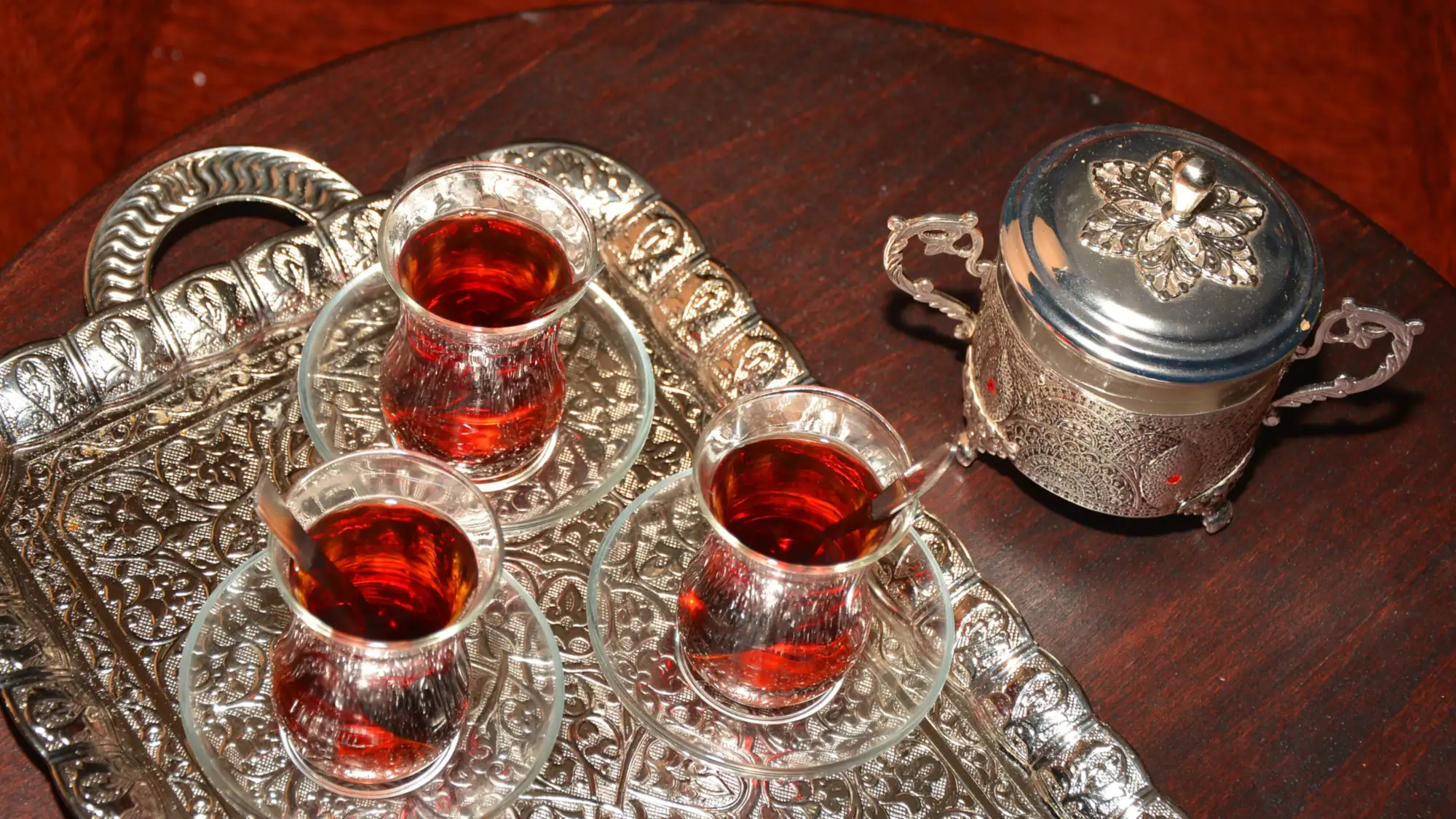
Tea (çay) is the heart of social life. It is served strong, in small tulip-shaped glasses, many times a day: in offices, shops, homes and even while you browse a carpet shop. Accepting a glass is a friendly gesture. To show you have had enough, place your teaspoon across the top of the glass.
Turkish coffee (Türk kahvesi) is ordered by sweetness: sade (no sugar), az şekerli (a little), orta (medium) or şekerli (sweet). Do not drink the grounds at the bottom. It is usually served with a glass of water and often a piece of lokum (Turkish delight).
Visiting a home
- Take your shoes off at the door. Hosts often offer slippers.
- Bring a small gift: sweets, baklava, flowers or something from your country. Alcohol is not a good choice unless you know the family drinks.
- Expect to be offered food and drink again and again. Hosts may insist, and it is polite to try a little of everything.
- Compliment the cook with elinize sağlık ("health to your hands"). Before a meal people say afiyet olsun (enjoy your meal).
- If someone pays for you at a restaurant, it is usual to offer next time. Splitting the bill is becoming common among young people but is less usual in traditional settings.
Religion and mosques
Most people in Türkiye are Muslim, but the state is secular, and religious practice varies widely. The call to prayer (ezan) is heard five times a day. Prayer times follow the Presidency of Religious Affairs (Diyanet); check them with our prayer times tool.
Visiting a mosque
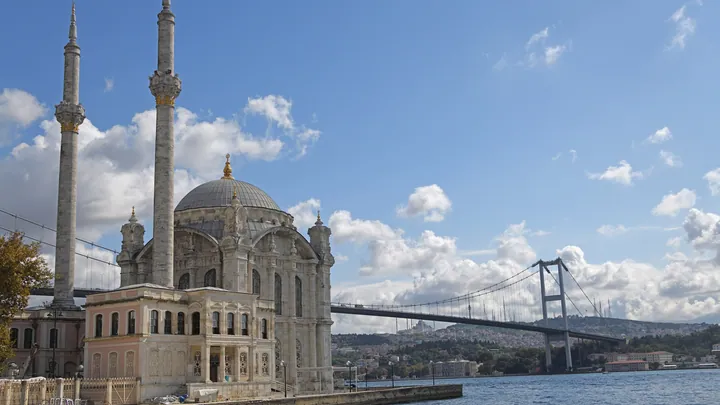
Mosques, including famous ones in Istanbul, are open to visitors outside prayer times.
- Dress modestly. Men and women should cover shoulders and knees. Women cover their hair with a scarf. Large mosques often lend scarves and wraps at the entrance.
- Take off your shoes and carry them in the bags provided.
- Avoid prayer times, especially the Friday midday prayer, when tourist visits may pause.
- Speak quietly, do not walk in front of people who are praying, and ask before taking photos of people.
Some major historic mosques charge entry fees for foreign visitors to certain areas. Check before you go, and plan museum visits with our museum ticket calculator.
Ramadan and the bayram holidays
Ramadan (Ramazan)
During the month of fasting, many people do not eat, drink or smoke from dawn to sunset. In big cities and tourist areas, most restaurants and cafés stay open as usual. In more conservative towns, it is polite not to eat, drink or smoke conspicuously in the street during the day. At sunset, families gather for iftar, and many municipalities set up public iftar tents. In some neighbourhoods, drummers walk the streets before dawn to wake people for sahur, the pre-dawn meal.
Bayram
- Ramazan Bayramı (Eid al-Fitr, also called Şeker Bayramı, the Sugar Feast) marks the end of Ramadan and lasts three days. People visit relatives, children go door to door for sweets and small gifts of money, and younger people kiss elders' hands.
- Kurban Bayramı (Eid al-Adha, the Feast of Sacrifice) lasts four days. Families who can afford it sacrifice an animal and share the meat with relatives, neighbours and people in need.
During bayram, offices close, many people travel, and intercity buses, flights and roads are very busy. The government sometimes extends the holiday into a longer break. Wish people iyi bayramlar (happy bayram). Our holidays page and holiday planner show the dates, and the events page lists what is on.
Tipping and haggling
Tipping
Tipping is appreciated but not compulsory. As a guide:
- Restaurants: about 5% to 10% if service is not included. Leave it in cash if you can, because card tips do not always reach staff.
- Cafés and bars: round up or leave small change.
- Taxis: round up the fare.
- Hotels: a small tip for porters and housekeeping.
- Hamams, barbers and guides: a tip of around 10% is common for good service.
Work it out with our tipping calculator.
Haggling
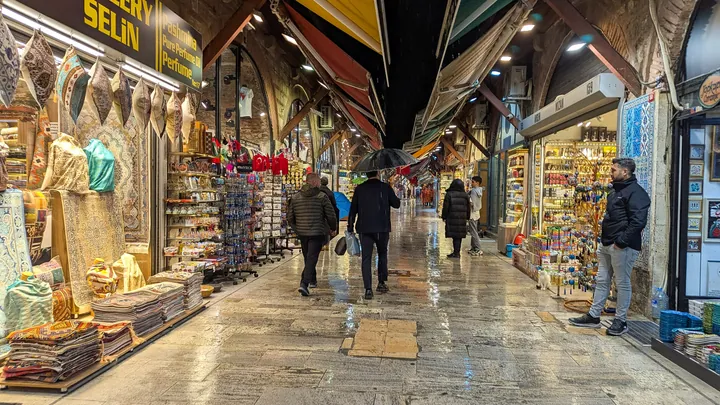
Bargaining is expected in bazaars, markets and carpet, leather and souvenir shops, including Istanbul's Grand Bazaar. Start well below the asking price, stay friendly, and be ready to walk away. Prices are fixed in supermarkets, chain stores, malls and pharmacies. Agree the price of a service, such as a boat trip, before it starts.
Dress
- In Istanbul, Ankara, Izmir and the resorts, dress is generally relaxed and Western.
- In more conservative areas, in the countryside and in the east, dress more modestly: shoulders and knees covered for both men and women.
- Beachwear belongs at the beach and the pool. Cover up when you walk into town.
- Topless sunbathing is not common and can cause offence outside a few resorts.
Atatürk and national symbols
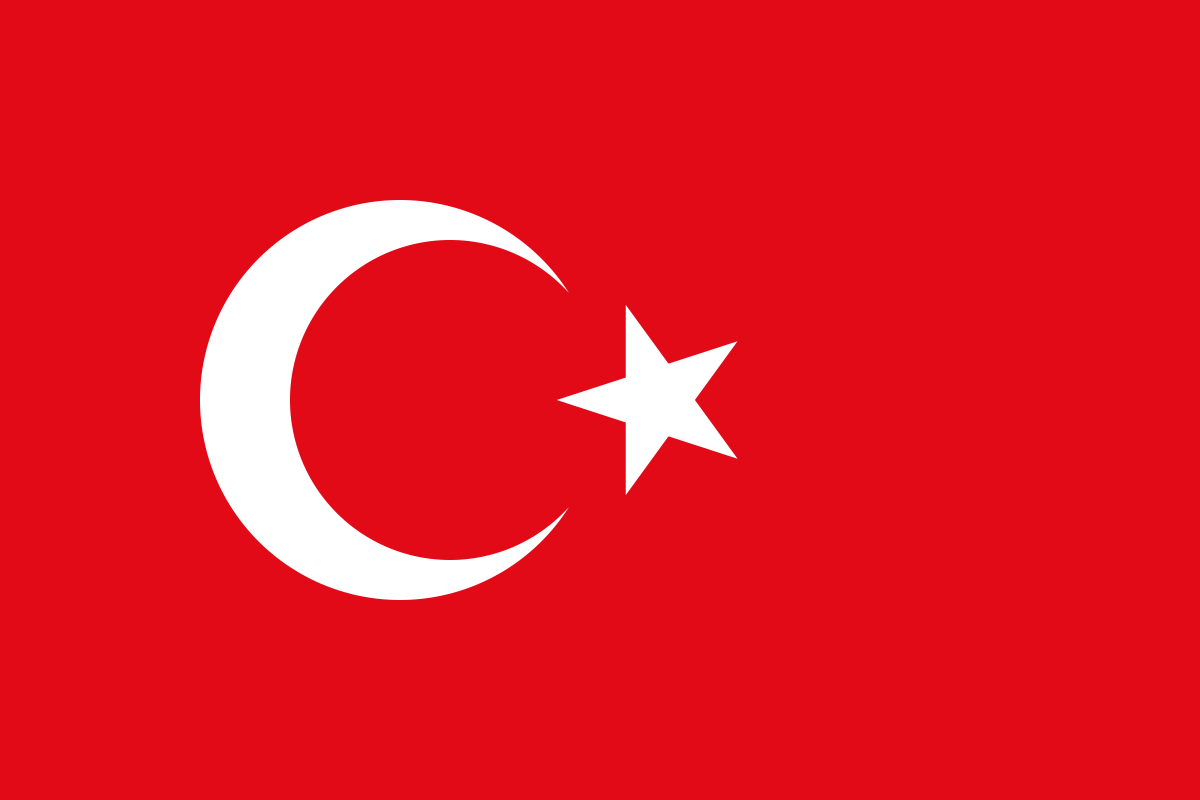
Mustafa Kemal Atatürk, the founder of the Republic of Türkiye in 1923, is deeply respected. His portrait hangs in offices, schools and shops, and statues stand in almost every town.
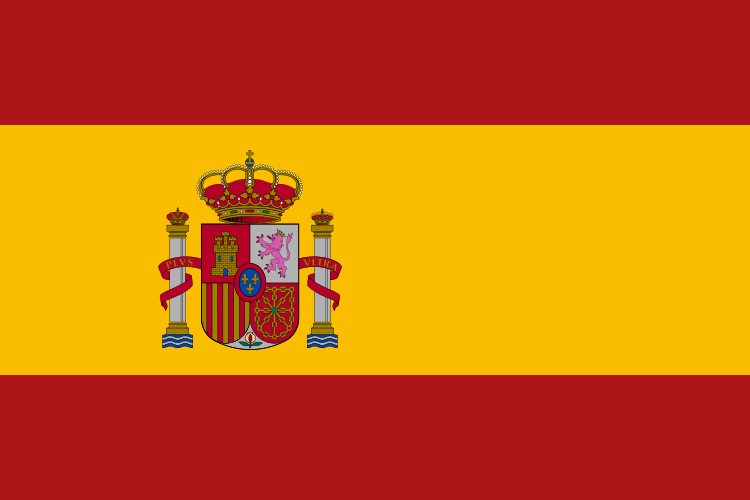
- Law No. 5816 makes it a crime to publicly insult the memory of Atatürk or to damage his statues, busts or monuments.
- Under the Turkish Penal Code, publicly insulting the President, the Turkish nation, state institutions and the flag are also crimes. These laws are enforced, including over social media posts.
- On 10 November, the anniversary of Atatürk's death, sirens sound at 09:05 and people stop where they are, and traffic halts, for a minute's silence. Stand still too.
- Stand when the national anthem (İstiklal Marşı) is played.
- Treat the flag with respect. Do not use it as decoration on clothing in a way that could look disrespectful.
Alcohol, drugs and smoking
- Alcohol is legal for adults aged 18 and over and is widely available in cities and resorts. The national drink is rakı, an aniseed spirit usually mixed with water. Shops cannot sell alcohol between 22:00 and 06:00, under a 2013 amendment to Law No. 4250. Bars and restaurants with a licence can serve later. Some districts and many small towns have few or no places selling alcohol, and drinking in the street may be restricted by local rules.
- Drugs: penalties for possession, use and trafficking are severe, including long prison sentences.
- Smoking is banned indoors in public places, on public transport and in many outdoor areas of hospitals and schools, under Law No. 4207. Many cafés have smoking terraces.
LGBT people
Same-sex relationships between adults have been legal in Türkiye since 1858, under the Ottoman Empire. However, there is no legal recognition of same-sex partnerships, and authorities in Istanbul and other cities have banned Pride marches every year since 2015. Draft laws reported in 2025 and 2026 would criminalise what they describe as the promotion of conduct contrary to biological sex; check the latest position before you travel. Public attitudes vary, and many LGBT people are discreet in public, especially outside the big cities. See safety and security.
Other small things
- Public displays of affection beyond holding hands can draw attention outside the big cities.
- Photography: do not photograph military sites, police or border areas. Ask before photographing people, especially women.
- Nazar: the blue evil eye bead protects against bad luck. When people praise a baby or something new, they often add maşallah to ward off envy.
- Bread is respected; people avoid throwing it away and may place leftover bread on a wall for birds.
- Queues can be loose. Ticket machines and number systems are common in banks and offices.
Frequently asked questions
Do women need to cover their hair in Türkiye?
Only when visiting a mosque. There is no general rule, and many Turkish women do not cover their hair.
Can I eat in public during Ramadan?
Yes. In cities and resorts most restaurants are open. In conservative towns, be discreet during daylight hours out of respect.
Is tipping expected in restaurants?
It is appreciated. About 5% to 10% is usual when service is good and not already added to the bill.
Is it illegal to criticise Atatürk?
Publicly insulting his memory or damaging his monuments is a crime under Law No. 5816. Historical discussion is common, but visitors should avoid remarks that could be seen as insulting.
Can I buy alcohol late at night?
Shops cannot sell alcohol from 22:00 to 06:00. Licensed bars and restaurants can serve later.
Daleel TR is a guide, not legal, financial or immigration advice. Rules change; confirm with the authority named before you act. Spotted an error? Tell us.