













Buying Property in Türkiye as a Foreigner in 2026: Rules, Costs and Steps
Who can buy, the legal limits, the 4% title deed fee, the compulsory valuation report, residence and citizenship thresholds and each step.
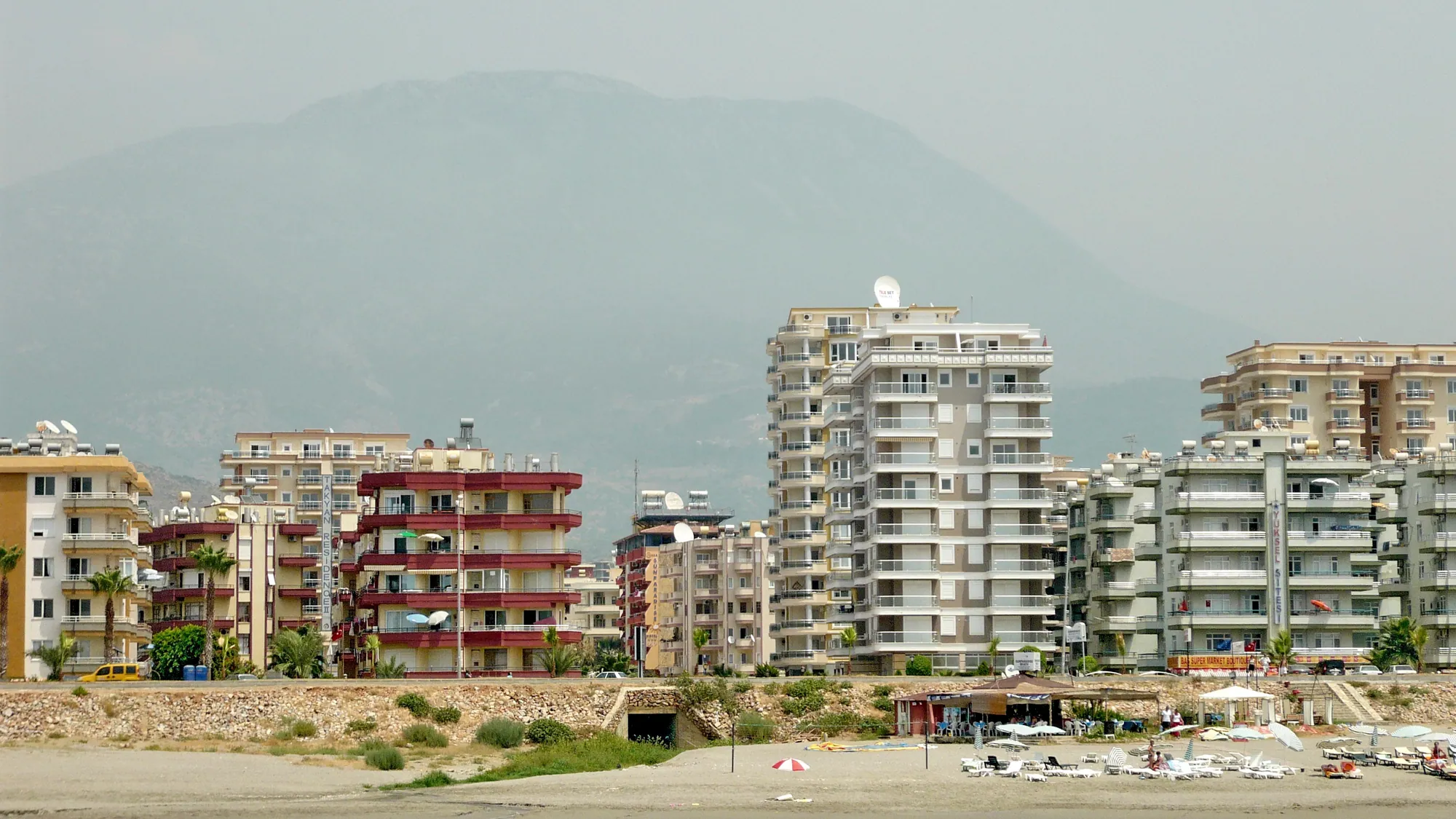
Türkiye is one of the few countries where foreigners can buy a home almost as easily as citizens. Every month, a few thousand homes are sold to foreign buyers. The latest official figures from the Turkish Statistical Institute (TÜİK), reported in November 2026, show 2,259 homes sold to foreigners in October 2026 and 17,567 from January to October, with buyers from Russia, Iran and Iraq at the top of the list that month.
The process is straightforward when you know the rules and the costs. This guide explains who can buy, where you cannot, what you pay, how residence and citizenship by property work and each step at the land registry. Our buying property guide goes into more detail, and the title deed fee calculator works out the main costs.
Who can buy property in Türkiye
Foreign individuals can buy property if their country is on the list allowed by presidential decision, which includes most countries. The rules are in Article 35 of the Land Registry Law (Tapu Kanunu, Law No. 2644) and are applied by the General Directorate of Land Registry and Cadastre (TKGM, tkgm.gov.tr).
The main limits:
- Area limit: a foreign individual may own up to 30 hectares in total across Türkiye.
- District limit: foreigners may not own more than 10% of the private land in a district. In popular areas this can, in principle, close a district to new foreign purchases.
- Military and security zones: land in military forbidden zones and special security zones cannot be sold to foreigners. TKGM checks this before every sale, and in some areas a permit from the military authorities is needed, which takes extra time.
- Some nationalities face additional restrictions or reciprocity rules. Check with TKGM if you are unsure.
Companies founded in Türkiye with foreign shareholders follow a different set of rules under the Direct Foreign Investments Law.
What it costs
Budget for these on top of the price:
| Cost | Amount (as of 2026) | Who pays |
|---|---|---|
| Title deed fee (tapu harcı) | 4% of the declared price, usually split 2% buyer, 2% seller | Negotiable, but often both sides |
| Valuation report (compulsory for foreign buyers) | Set by the licensed valuation firm | Buyer |
| Land registry service fee (döner sermaye) | A fixed amount set each year | Buyer |
| Sworn translator at the deed office, if you do not speak Turkish | Set by the translator | Buyer |
| Estate agent's fee | Commonly up to 2% plus KDV for each side | Each side |
| Compulsory earthquake insurance (DASK) | Depends on size, location and building type | Buyer |
| Notary, tax number, bank transfer fees | Small amounts | Buyer |
The declared price may not be lower than the value in the compulsory valuation report. Declaring a lower price to cut the fee is illegal and can cause problems later, especially for citizenship applications.
VAT on new homes
New homes sold by developers carry KDV (VAT). Under the VAT Law, the first sale of a new home or workplace to a person who is not resident in Türkiye, paid in foreign currency brought into the country, can be exempt from KDV if conditions are met. If you later sell within a set period or become resident, the exemption may be reversed. Get written advice before relying on it.
Yearly costs
Owners pay an annual property tax (emlak vergisi) to the municipality, a small percentage of the official value, higher in metropolitan municipalities. Owners of high-value homes also pay a valuable housing tax (değerli konut vergisi). Add the building's monthly aidat, utilities and DASK renewal. When you sell, capital gains on a home owned for less than five years are subject to income tax.
The compulsory valuation report
Every sale to a foreigner needs a valuation report from a firm licensed by the Capital Markets Board (SPK). It confirms the market value of the property, and TKGM will not complete the transfer without it. For citizenship applications, the value in the report must reach the threshold.
Residence permits through property
Owning a home can support a short-term residence permit, issued by the Presidency of Migration Management (goc.gov.tr). As reported by legal and property sources, since October 2023 the property must be worth at least US$200,000 (checked against the valuation report) for a residence permit based on ownership. Two points to know:
- Göç İdaresi has closed some neighbourhoods to new residence permit registrations for foreigners. If you plan to live in the home on a residence permit, check that the neighbourhood is open before you buy.
- A residence permit through property does not give the right to work.
Our visas and residence permits guide explains the application.
Citizenship by property
Foreigners can apply for Turkish citizenship after buying property worth at least US$400,000 (or the equivalent in another currency), with an annotation on the title deed that it will not be sold for three years. The value must be confirmed by the licensed valuation report, payments must be traceable through banks, and TKGM issues a certificate of conformity before the citizenship application. Several properties can be combined to reach the threshold.
This route is popular, but it is also where buyers make the costliest mistakes: inflated valuations, properties already used for another application and unpaid developers. Use an independent lawyer, not one recommended by the seller.
Step by step
1. Get a tax number
Apply at any tax office (vergi dairesi) with your passport. It takes minutes and is free. You also need it for utilities and bank accounts.
2. Open a bank account
Many buyers pay through a Turkish bank so the payment is recorded. For citizenship, the bank route is required. See our banking, money and tax guide.
3. Check the property
Ask for a copy of the title deed and check it at TKGM, including mortgages, liens, annotations and the type of title. Ask for the building's occupancy certificate (iskan). For an off-plan home, check the developer's permits and payment guarantees. Find out when the building was constructed: after the 1999 Marmara earthquake, independent building inspection became compulsory in the early 2000s and the earthquake design code was updated again in 2007 and 2018, so newer buildings built to code are generally safer. Our safety and security guide has more on earthquakes.
4. Agree the contract
A promise to sell agreement (satış vaadi sözleşmesi) signed at a notary protects you before the transfer. Make sure it states the price, payment terms, delivery date and penalties.
5. Order the valuation report and book the appointment
The valuation firm sends the report to the system electronically. You or your lawyer then book a transfer appointment at the land registry office through TKGM's online system, with the declared price and parties.
6. Pay the fees and transfer
Pay the title deed fee and the service fee at a bank or online, take out DASK insurance and attend the appointment with your passport, two photos, a sworn translator if needed and the seller. When both sides sign, the new deed is issued in your name the same day.
7. After the sale
Register utilities in your name, tell the municipality about your ownership for property tax and, if you are moving in, apply for your residence permit before your visa or visa-free stay ends.
Common mistakes to avoid
- Paying a large deposit before checking the title deed.
- Signing a contract you cannot read. Get a sworn translation.
- Declaring a lower price than the valuation to save on the fee.
- Buying in a neighbourhood closed to residence permits when you need one.
- Assuming a property bought for US$400,000 automatically qualifies for citizenship.
- Forgetting DASK, which is required for the transfer and for utility contracts.
Frequently asked questions
Can foreigners buy property in Türkiye?
Yes. Citizens of most countries can buy homes, up to 30 hectares per person and outside military and security zones, as long as foreigners do not already own 10% of the private land in that district.
How much is the title deed fee in Türkiye?
The title deed fee is 4% of the declared price, usually shared 2% by the buyer and 2% by the seller. The declared price cannot be lower than the licensed valuation report. A small land registry service fee is added.
Do foreigners need a valuation report?
Yes. Every sale to a foreign buyer needs a valuation report from a firm licensed by the Capital Markets Board (SPK). The transfer cannot be completed without it.
How much property do I need to buy for Turkish citizenship?
At least US$400,000 or the equivalent, confirmed by the valuation report, paid through banks and with a commitment not to sell for three years. Several properties can be combined.
Does buying a home give me a residence permit?
It can support a short-term residence permit if the property meets the value threshold (reported as US$200,000 since October 2023) and the neighbourhood is open to new residence registrations. It does not give the right to work.
Written by Daleel TR editorial team. Daleel TR is a guide, not legal, financial or immigration advice. Rules change; confirm with the authority named before you act.