




Ramadan in Türkiye 2027: Dates, Iftar, Sahur and Etiquette for Visitors
Ramadan 2027 in Türkiye runs from 8 February to 8 March per Diyanet, with Bayram on 9 to 11 March. Iftar, sahur, customs and etiquette.
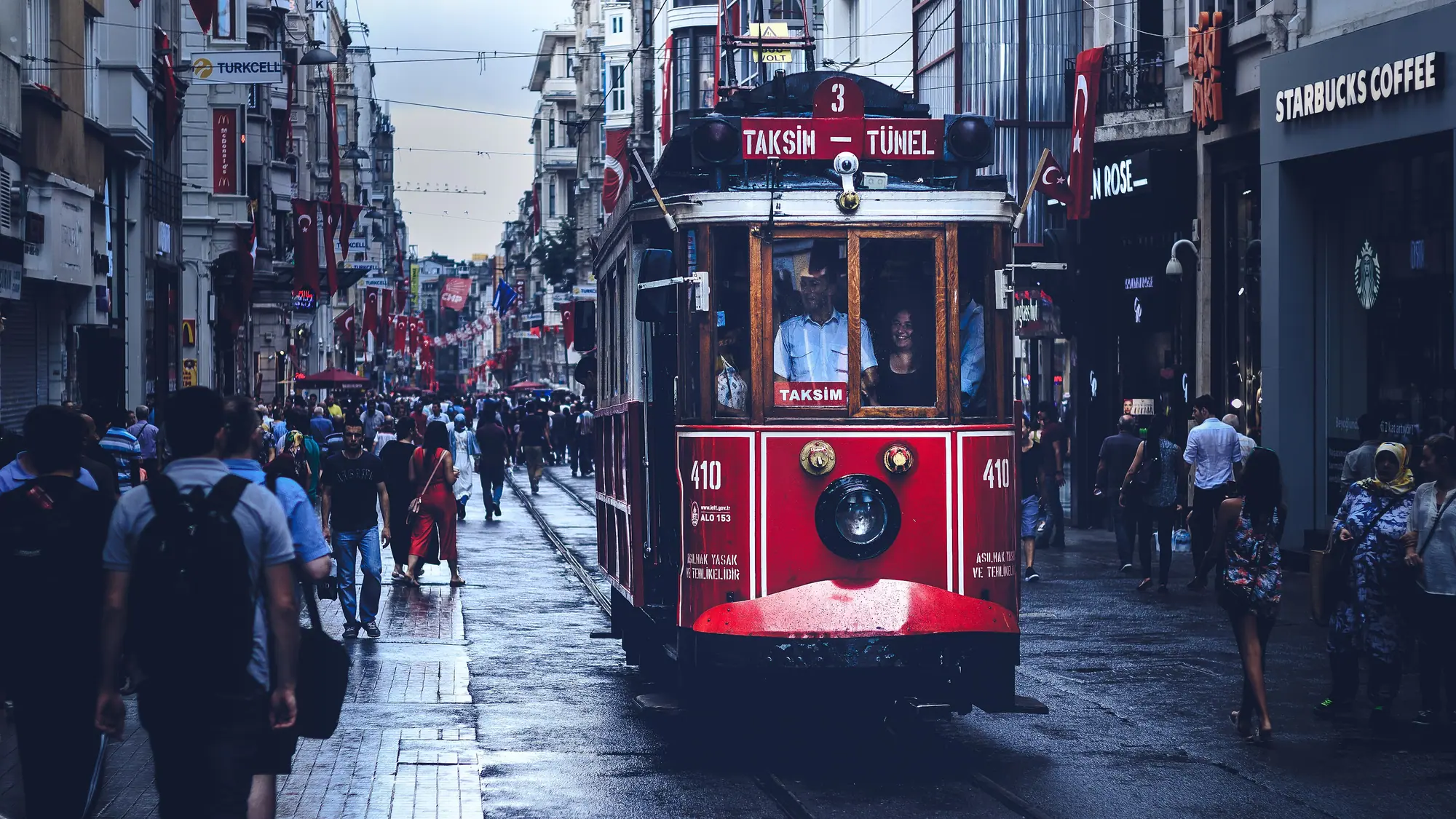
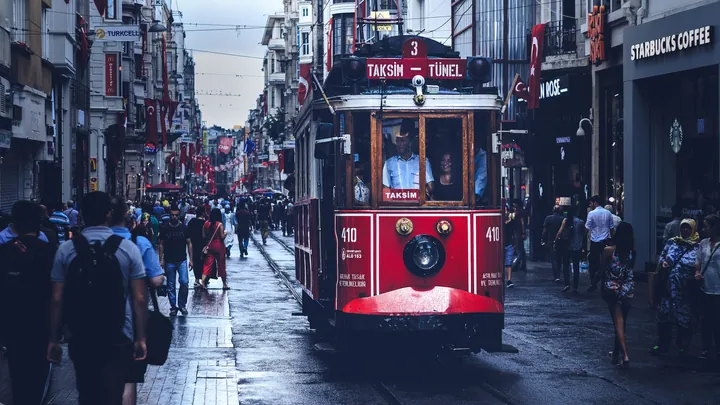
Ramadan (Ramazan in Turkish) is one of the most atmospheric times to be in Türkiye. Cities slow down in the late afternoon and come alive after sunset, mosques are lit up, bakeries sell a special flatbread that appears only this month, and families and neighbours share the evening meal. For visitors, daily life carries on much as normal, with a few changes worth knowing.
This guide covers the 2027 dates, how the day is structured, the customs you will notice, what stays open and how to be a considerate guest. For daily prayer, sahur and iftar times in your city, use our prayer times tool.
Ramadan 2027 dates in Türkiye
Türkiye's Presidency of Religious Affairs, Diyanet İşleri Başkanlığı, sets the religious calendar by calculation in advance rather than waiting for a local moon sighting. Its calendar gives these dates for 2027, as published in the Turkish press:
| Event | Date |
|---|---|
| First day of fasting (1 Ramazan 1448) | Monday 8 February 2027 |
| Kadir Gecesi (Night of Power) | Night of Friday 5 March 2027 |
| Eve of Ramazan Bayramı (arefe), half-day holiday | Monday 8 March 2027 |
| Ramazan Bayramı (Eid al-Fitr) | Tuesday 9 to Thursday 11 March 2027 |
The first sahur meal is eaten in the early hours of Monday 8 February, and the first teravih (special evening prayer) is held the night before. Because the dates are calculated, they can differ by a day from countries that rely on moon sightings.
Ramadan moves about 11 days earlier each year. In 2027 it falls in late winter, so the days are short. By our own sunrise and sunset estimate for Istanbul, iftar falls at roughly 18:30 in early February and around 19:00 by early March (Türkiye stays on UTC+3 all year), and the daily fast lasts roughly 12 to 13 hours. Use the prayer times tool for exact times, as they differ by city and change every day.
How a Ramadan day works
- Sahur is the meal before dawn. Fasting starts at imsak, the time Diyanet publishes for the start of the fast each day.
- During the day, people who fast take no food or drink, including water.
- Iftar is the meal that breaks the fast at sunset, at the time of the evening call to prayer. Many people break the fast with a date or water, then soup, and then a full meal.
- After iftar, many go to the mosque for teravih prayers, then visit friends, walk or sit in tea gardens until late.
Not everyone in Türkiye fasts, and practice varies widely between regions, families and individuals.
Customs you will notice
The Ramadan drummer
In many neighbourhoods a davulcu (drummer) walks the streets in the small hours, beating a large drum to wake people for sahur. It is a much-loved tradition. Near the end of the month, drummers often knock on doors for a tip (bahşiş), and it is customary to give something.
Ramazan pidesi
Bakeries bake a round, glazed flatbread topped with sesame and nigella seeds, the Ramazan pidesi, for iftar. Queues form outside bakeries in the hour before sunset. Try it warm.
Iftar menus and tents
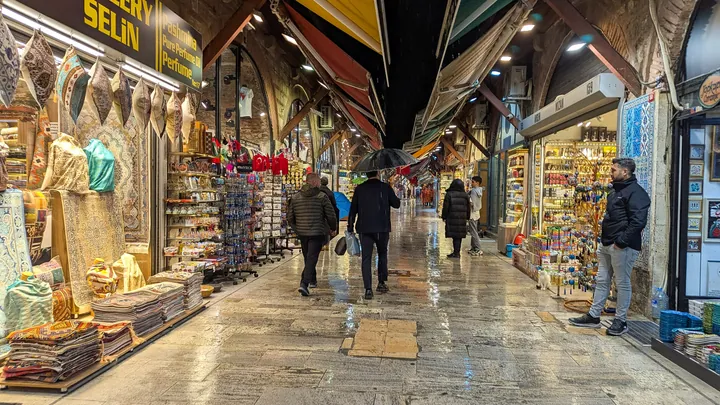
Restaurants offer set iftar menus, often with soup, dates, olives, cheese, pide and a main course, and many fill up well before sunset. Some municipalities run free public iftar tents or tables, open to anyone. Book a table if you want to eat at a popular restaurant at iftar time.
Sweets
Güllaç, a light dessert of thin starch sheets soaked in milk and rosewater, is a Ramadan classic, together with baklava and other syrupy sweets.
Mahya and lit mosques
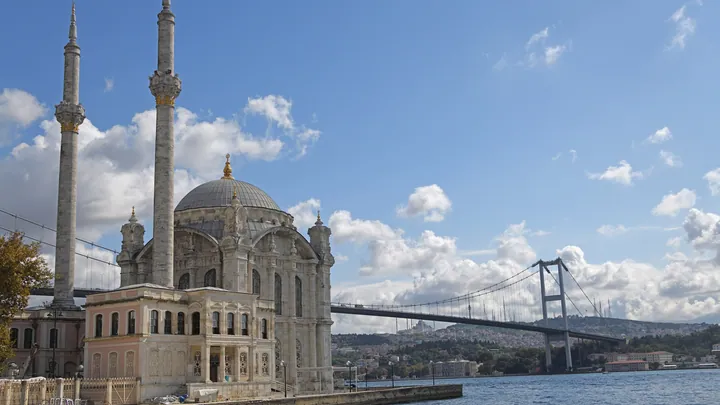
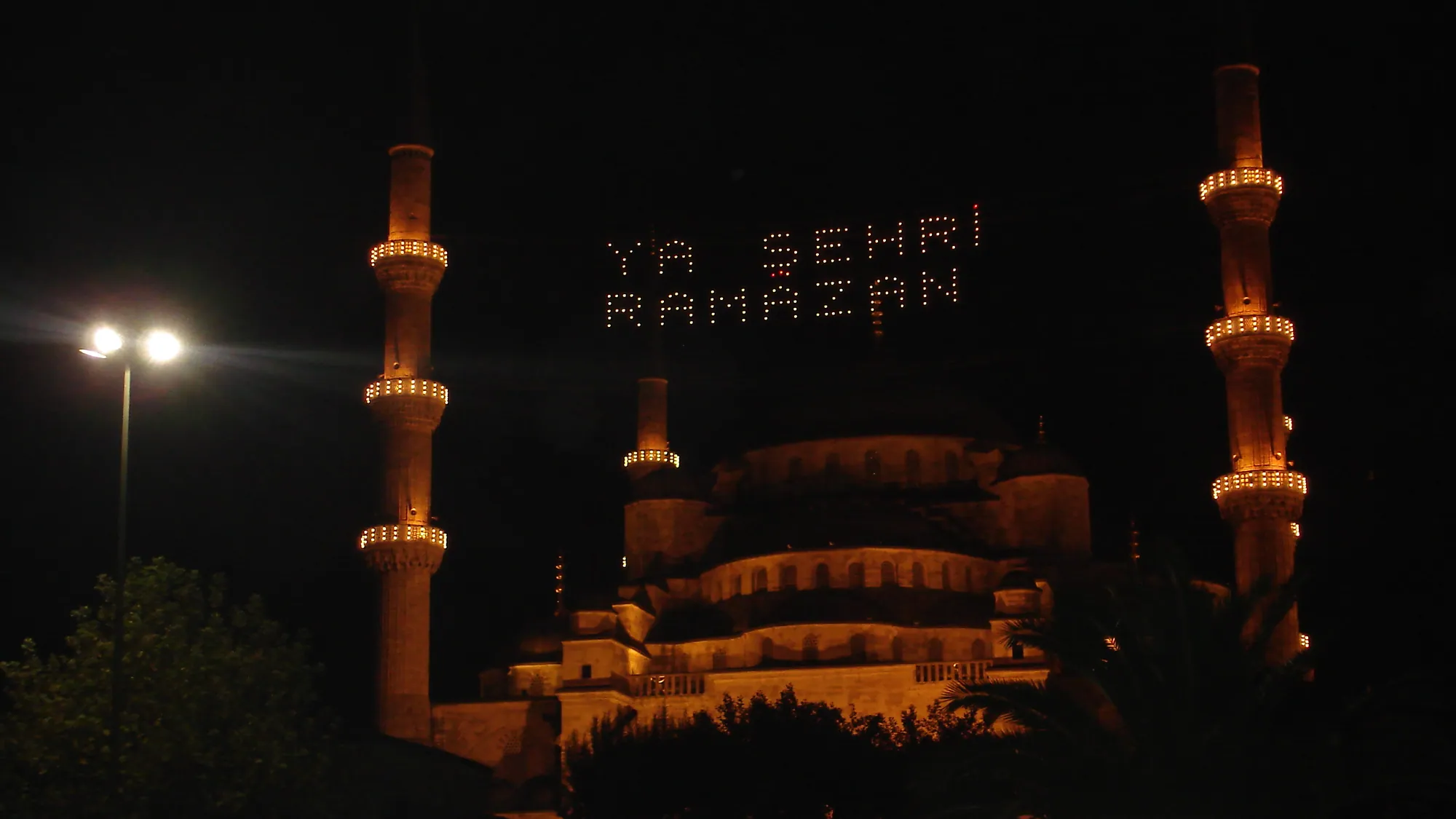
In Istanbul, the minarets of the great imperial mosques are often strung with mahya, lit messages hung between the minarets, an Ottoman tradition. Mosque courtyards and nearby squares, such as around Sultanahmet and Eyüp Sultan, often host Ramadan stalls and events in the evenings.
Kadir Gecesi
The Night of Power, believed to be the night the first verses of the Quran were revealed, is the most important night of the month. Mosques are packed, and many people stay up praying.
What stays open
- Restaurants and cafés stay open during the day in cities and tourist areas, and most serve food and drink as usual. In smaller towns and more conservative neighbourhoods, some restaurants close until iftar or serve only takeaway.
- Shops, offices, banks and museums keep normal hours. Some businesses close a little earlier so staff can be home for iftar.
- Alcohol remains on sale in licensed shops and restaurants. The usual national rule still applies: shops may not sell alcohol between 22:00 and 06:00.
- Traffic is heaviest in the hour before iftar as everyone heads home. Taxis can be hard to find then.
Etiquette for visitors
You are not expected to fast. A few simple courtesies are appreciated:
- Eat and drink discreetly in public during the day, especially in smaller towns, near mosques and in conservative districts. In tourist areas and big-city centres, eating in a café or restaurant is completely normal.
- Avoid smoking in the street in front of people who are clearly fasting.
- Dress modestly when visiting mosques (shoulders and knees covered; women cover their hair). Avoid visiting during prayer times, especially at the evening and teravih prayers, when mosques are full. Our culture and etiquette guide has more.
- Be patient in the late afternoon, when people who are fasting may be tired.
- Say yes to an invitation. If you are invited to iftar, it is a real honour. Arrive on time (iftar does not wait), and bring sweets, baklava or flowers.
- Useful phrases: Hayırlı Ramazanlar (blessed Ramadan), Afiyet olsun (enjoy your meal) and, at the end of the month, Bayramınız kutlu olsun or İyi bayramlar (happy bayram).
Ramazan Bayramı
The three-day festival at the end of Ramadan, also called Şeker Bayramı (the sugar festival), is a time for family. People visit relatives, especially elders, and younger people traditionally kiss the hand of their elders and touch it to their forehead. Children go from door to door collecting sweets and small gifts of money. Cemeteries are visited on the morning of the first day.
For travellers:
- Ramazan Bayramı is an official public holiday from 9 to 11 March 2027, with a half day on the eve (8 March). Public offices and banks close; most shops and restaurants in cities stay open.
- Intercity buses, trains and domestic flights are very busy, and prices rise, so book early.
- Public transport is sometimes free or discounted during bayram days, by decision of the municipality or government announced shortly before.
See our public holidays 2027 post for long weekends around the bayram, and the holidays page for every date.
Giving during Ramadan
Charity is central to the month. Diyanet announces the amount of fitre (the obligatory charity paid before Bayram) each year in lira. Many people also give to food banks, mosque collections and organisations that host public iftars.
Frequently asked questions
When does Ramadan start in Türkiye in 2027?
On Monday 8 February 2027, according to Diyanet's calendar. The first sahur is in the early hours of that day and the first teravih prayer is held the evening before.
When is Ramazan Bayramı 2027?
From Tuesday 9 to Thursday 11 March 2027, with a half-day holiday on the afternoon of Monday 8 March.
Can tourists eat in public during Ramadan in Türkiye?
Yes. Eating in public is not against the law, and restaurants in cities and tourist areas stay open. It is polite to be discreet in smaller towns and conservative neighbourhoods and near mosques.
Is alcohol available during Ramadan?
Yes, in licensed shops, bars and restaurants. Shops may not sell alcohol between 22:00 and 06:00 at any time of year.
What is the drummer I hear at night during Ramadan?
The davulcu, a traditional Ramadan drummer who walks the streets before dawn to wake people for sahur. Near the end of the month they often come round for a small tip.
Written by Daleel TR editorial team. Daleel TR is a guide, not legal, financial or immigration advice. Rules change; confirm with the authority named before you act.