











Stay safe, calmly
The numbers to save, the people who can help and practical habits for traffic, cash, earthquakes, hiking and beaches. Most visits and most days are trouble-free; a few habits make the difference.
Emergency numbers
Say where you are first, then what happened. 112 works from any mobile, even without credit or a SIM card.
Everyday safety tips
Common scams
- Be wary of friendly strangers in Sultanahmet, Taksim or Beyoğlu who suggest a bar or club: the 'bar bill' scam ends with a huge bill and pressure to pay.
- Check that the taxi meter is running, keep track of the notes you hand over, and use the BiTaksi or İTaksi apps where you can.
- Buy museum tickets on muze.gov.tr or at the official desk, and change money at banks or licensed exchange offices that show their rates.
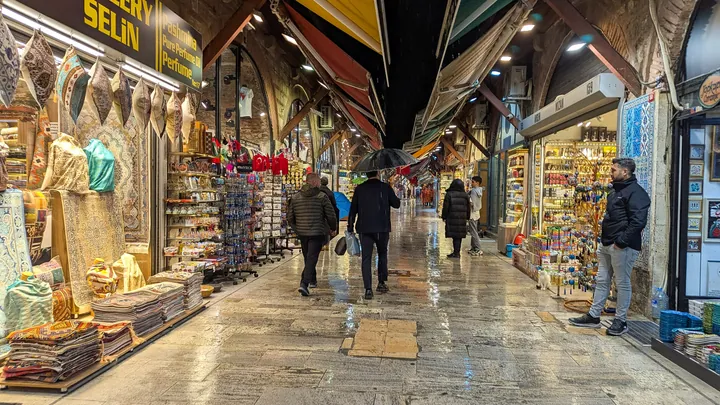
- Shoe shiners who 'drop' their brush, and carpet or leather shops you are walked to by a new friend, are classic traps. Smile and walk on.
Phone and online fraud
- Police, prosecutors and banks never ask you to move money to a 'safe account' or to share a card PIN or SMS code by phone.
- Book stays and tours only on known platforms; fake rental and hotel listings that ask for a bank transfer are common.
- Phones bought abroad and used with a Turkish SIM card must be registered (IMEI) after a grace period: check with your operator.
- Use e-Devlet (turkiye.gov.tr) for official services; it never sends links asking you to pay a fine by SMS.
Road safety
- Traffic is fast and lane discipline loose: wear a seatbelt in every seat and keep children in child seats.
- Pedestrian crossings do not always mean cars will stop; make eye contact and cross with care.
- Fines are steep since 2026 (₺5,000 for a red light or a phone at the wheel), and many roads have average speed cameras.
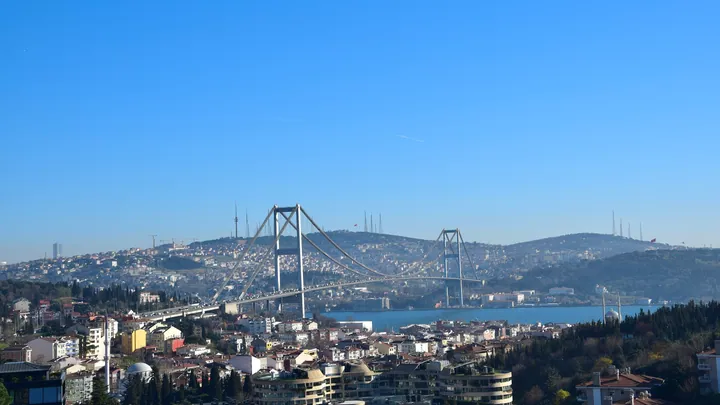
- Motorways and Istanbul's bridges take only HGS electronic tolls: check that a hire car has an HGS tag.
Earthquakes and disasters
- Türkiye lies on active fault lines. Learn 'drop, cover, hold on' and where the safe spots are in your home.
- Keep a grab bag with water, a torch, a whistle, medicines and copies of your documents.
- Install the AFAD Acil Çağrı app and save 112; AFAD shares alerts and gathering areas (toplanma alanları) for every district.
- In summer, forest fires are a real risk on the Aegean and Mediterranean coasts: never leave a barbecue or cigarette burning.
Women's safety
- Call 112 in any emergency. The police KADES app sends an alert with your location at the touch of a button.
- Share your live ride and location with someone you trust, and sit in the back of a taxi.
- Unwanted touching or following is a crime; shout, move to a shop or a crowd and call 112.
- Dress codes are relaxed in cities and resorts; cover shoulders and knees, and women their hair, when visiting mosques.
Documents and staying legally
- Carry your passport or residence card (a photo on your phone is not always accepted at police checks).
- Visa-free and e-Visa stays are limited to 90 days in any 180; overstaying brings a fine and can bring an entry ban.
- If you stay longer, apply for a residence permit on e-ikamet.goc.gov.tr before your permitted stay ends.
- Register with your consulate if you live in Türkiye; they help in emergencies and lost-passport cases.
Support and community
112 Emergency
One free number for ambulance, police, gendarmerie, fire and disaster help, from any phone, all day and night.
Official siteAFAD (Disaster and Emergency Management)
Earthquake and disaster information, gathering areas near you and the AFAD Acil Çağrı app.
Official siteYİMER 157 (foreigners' help line)
The Presidency of Migration Management's line for foreigners, in several languages, including reports of human trafficking.
Official siteTourism police and the police (EGM)
Istanbul and other tourist centres have tourism police stations; report theft or scams there or at any police station.
Official sitee-Devlet
The government's portal for residence, tax, health and traffic fine records, with a login for foreigners with a residence permit.
Official siteResidence permits (e-ikamet)
Apply for or renew a residence permit online before your permitted stay ends.
Official siteConsumer complaints (Ministry of Trade)
Overcharging, a service or cover charge added to the bill, or faulty goods: complain online.
Official siteYour embassy or consulate
Lost passports and emergencies abroad: the Ministry of Foreign Affairs lists every foreign mission in Türkiye.
Official siteSafety FAQ
What is the emergency number in Türkiye?
Call 112 from any phone, anywhere in Türkiye, for an ambulance, the police, the gendarmerie or the fire brigade. Since 2021 the old numbers (155 police, 156 gendarmerie, 110 fire) are answered by the same 112 Emergency Call Centres. Foreigners can also call 157, the multilingual line of the Presidency of Migration Management.
Is Türkiye safe for visitors?
Tens of millions of people visit safely every year. Most problems visitors meet are scams, overcharging and petty theft in crowded places, plus road traffic. Use licensed yellow taxis with a meter or a taxi app, agree prices first in bazaars, keep valuables out of sight on busy trams and ferries, and follow your consulate's travel advice for border areas.
What should I do after a crime?
Get to safety, call 112, then report it at the nearest police station (in cities) or gendarmerie post (in rural areas) and ask for a copy of the report for insurance. In Istanbul the Tourism Police in Sultanahmet help visitors. Lost or stolen passports must also be reported to your consulate.
Numbers from the Daleel TR emergency directory and the official sites linked above, checked November 2026. In an emergency always try 112 first.