






Türkiye Emergency Numbers: 112, Other Helplines and Earthquake Safety
112 covers ambulance, police, gendarmerie, fire, AFAD and the coast guard in Türkiye. Other helplines and what to do in an earthquake.
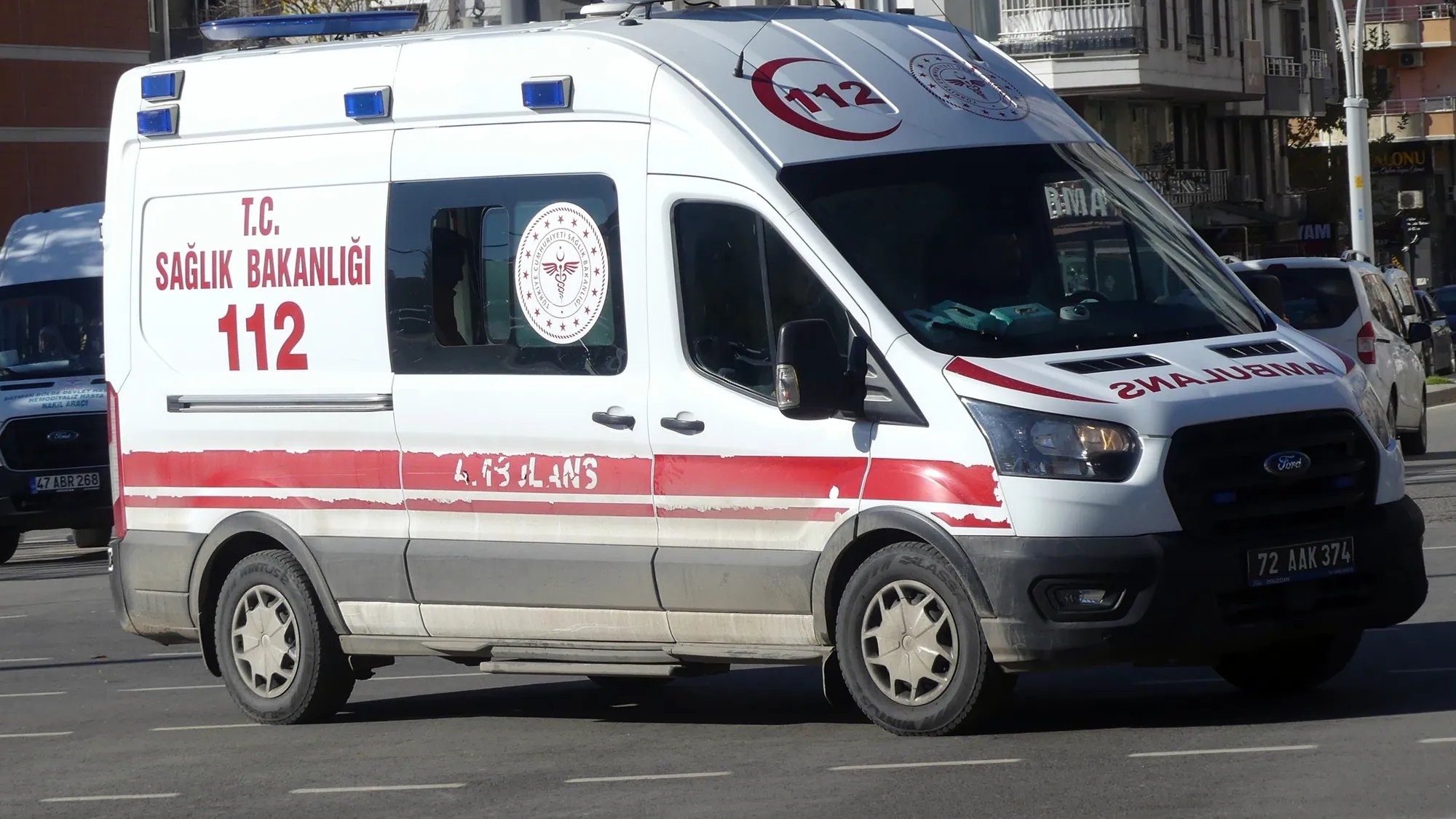
In Türkiye you only need to remember one number in an emergency: 112. It connects you to ambulance, police, gendarmerie, fire, disaster and coast guard services from any phone, free of charge. The old separate numbers still work in many places, but they are routed to the same centres.
Türkiye is also one of the most earthquake-prone countries in the world. This guide lists the emergency and helpline numbers worth saving, explains how to call for help clearly and sets out what to do before, during and after an earthquake. Keep our emergency page and the emergency numbers tool bookmarked on your phone.
112: the single emergency number
The 112 Emergency Call Centres are run by provincial governorships under the Ministry of the Interior. According to the official 112 website, the single number has been in use in all 81 provinces since 2021. These older numbers were brought together under 112:
| Old number | Service | Now |
|---|---|---|
| 112 | Ambulance | 112 |
| 155 | Police | 112 |
| 156 | Gendarmerie (police in rural areas) | 112 |
| 110 | Fire | 112 |
| 122 | AFAD (disasters) | 112 |
| 177 | Forest fires | 112 |
| 158 | Coast guard | 112 |
The call centre decides which services to send and can dispatch several at once, for example an ambulance and the fire brigade to a traffic accident.
How to make a good 112 call
- Say where you are first. Give the province (il), district (ilçe), neighbourhood (mahalle), street and building number. In the countryside, give the nearest village, road number or landmark.
- Say what happened and how many people are hurt.
- Answer the questions and do not hang up until the operator tells you to.
- Keep your phone line free afterwards so they can call you back.
Operators answer in Turkish and may not speak English, so it helps to learn a few words: ambulans (ambulance), polis (police), yangın (fire), kaza (accident), yardım edin (help). Hotel staff, tour guides or a Turkish-speaking bystander can call for you.
Other numbers worth saving
These are non-emergency government helplines. Most answer in Turkish only.
| Number | Service |
|---|---|
| 153 | Municipal call centres (in many cities, such as İBB's Beyaz Masa in Istanbul) |
| 157 | Presidency of Migration Management (YİMER), for foreigners, residence permits and human trafficking reports |
| 170 | ALO SGK, social security |
| 183 | Ministry of Family and Social Services, social support including violence against women and children |
| 184 | Ministry of Health communication centre (SABİM), health service questions and complaints |
| 186 | Electricity faults |
| 187 | Natural gas emergencies (call at once if you smell gas) |
| 189 | ALO Vergi, the Revenue Administration's tax line |
| 125 | ALO DASK, compulsory earthquake insurance |
Your embassy or consulate is the right contact if you lose your passport or are arrested. Keep its address and phone number with your travel documents.
Health emergencies
- Ambulances called through 112 are free in an emergency.
- State hospitals (devlet hastanesi) and city hospitals run 24-hour emergency departments (acil servis). Private hospitals also have emergency departments and usually ask for payment or insurance details.
- Pharmacies (eczane) close in the evening and at weekends, but one pharmacy in each area stays open as the duty pharmacy (nöbetçi eczane). Every pharmacy posts the list on its door, and municipal websites list them too.
- Visitors should have travel insurance with medical cover. Residents need SGK cover or private health insurance; our healthcare and health insurance guide explains the options.
Earthquakes: why they matter in Türkiye
Most of Türkiye lies on active fault lines, including the North Anatolian Fault, which runs close to Istanbul under the Sea of Marmara, and the East Anatolian Fault. On 6 February 2023, two major earthquakes centred in Kahramanmaraş, of magnitude 7.7 and 7.6 according to AFAD, struck eleven provinces and killed more than 50,000 people in Türkiye. On 23 April 2025, a magnitude 6.2 earthquake under the Sea of Marmara off Silivri was felt strongly across Istanbul.
The Disaster and Emergency Management Presidency (AFAD, afad.gov.tr) coordinates preparation and response. Earthquakes cannot be predicted, so the advice is to prepare in advance.
Before an earthquake
- Know your building. Ask when it was built and whether it has been assessed for earthquake risk. Buildings constructed under the newer codes and inspection rules are generally safer. Our renting a home guide and buying property post explain what to ask.
- Secure heavy furniture such as wardrobes, bookcases and water heaters to the wall, and do not put heavy objects above beds.
- Find your assembly area. Every neighbourhood has designated emergency assembly areas (acil durum toplanma alanı). You can look yours up on turkiye.gov.tr (e-Devlet) or on AFAD's website and app.
- Prepare an emergency bag (deprem çantası) with water, food for a few days, a torch, a whistle, a power bank, a first aid kit, medicines, copies of your documents and some cash. Keep it by the door.
- Agree a plan with your family: where to meet and who to contact outside the area.
- Install the AFAD Emergency Call app (AFAD Acil Çağrı), which can send your location with an emergency call.
- Insure your home. Compulsory earthquake insurance (DASK) is required for homes in Türkiye. The maximum cover was raised to ₺2,407,723 from 1 July 2026, according to DASK figures reported in the press. Contents need separate home insurance.
During an earthquake
AFAD's advice is Drop, Cover, Hold On (Çök, Kapan, Tutun):
- Drop to your hands and knees before the shaking knocks you down.
- Cover your head and neck, next to or under a sturdy table or piece of furniture, away from windows.
- Hold on until the shaking stops.
Do not run for the stairs or use lifts while the ground is shaking. If you are outside, move away from buildings, walls, power lines and trees. If you are driving, stop in a safe place away from bridges and overpasses and stay in the car.
After an earthquake
- Expect aftershocks. Leave the building carefully once the shaking stops if it is damaged, and go to your assembly area.
- Check for gas leaks. Turn off gas and electricity if you can do so safely. Do not light matches.
- Use text messages and social media rather than calls, so that phone lines stay free for emergencies.
- Follow instructions from AFAD, the governorship and local authorities, and only trust official sources for updates. Do not return to a damaged building until it has been checked.
- If you are trapped, cover your mouth, tap on pipes or walls or use a whistle rather than shouting continuously.
Other everyday safety tips
- Forest fires are a real risk on the Aegean and Mediterranean coasts in summer. Never light fires or barbecues outside designated areas, do not throw cigarettes from cars and call 112 if you see smoke.
- On the beach, swim where there are lifeguards and respect flags and warnings about currents.
- On the road, Türkiye's traffic can be fast and unpredictable. Wear seatbelts in every seat and see our traffic fines tool for the rules.
- In busy tourist areas, watch for pickpockets and for common scams, such as an invitation to a bar that ends with a huge bill. Our safety and security guide and safety page cover these in more detail.
Frequently asked questions
What is the emergency number in Türkiye?
- It covers ambulance, police, gendarmerie, fire, AFAD disaster response, forest fires and the coast guard in all 81 provinces, free from any phone.
Do the old numbers 155 and 110 still work?
The old police (155), gendarmerie (156) and fire (110) numbers were brought together under 112. Dial 112 to be sure of reaching the right centre.
Is there an English-speaking emergency line for tourists?
We found no separate tourist emergency number. Call 112, give your location first and say "English" clearly in case an English speaker is available; if you can, ask hotel staff, a guide or a Turkish-speaking bystander to call for you.
What should I do during an earthquake in Türkiye?
Drop, cover and hold on: get down, protect your head and neck under a sturdy table or next to an inside wall, and hold on until the shaking stops. Do not use lifts or run down the stairs while the building is shaking.
How do I find my earthquake assembly area?
Search for "acil durum toplanma alanı" on turkiye.gov.tr (e-Devlet) or use AFAD's website or app. Enter your address to see the nearest designated areas.
Written by Daleel TR editorial team. Daleel TR is a guide, not legal, financial or immigration advice. Rules change; confirm with the authority named before you act.