









Mount Nemrut
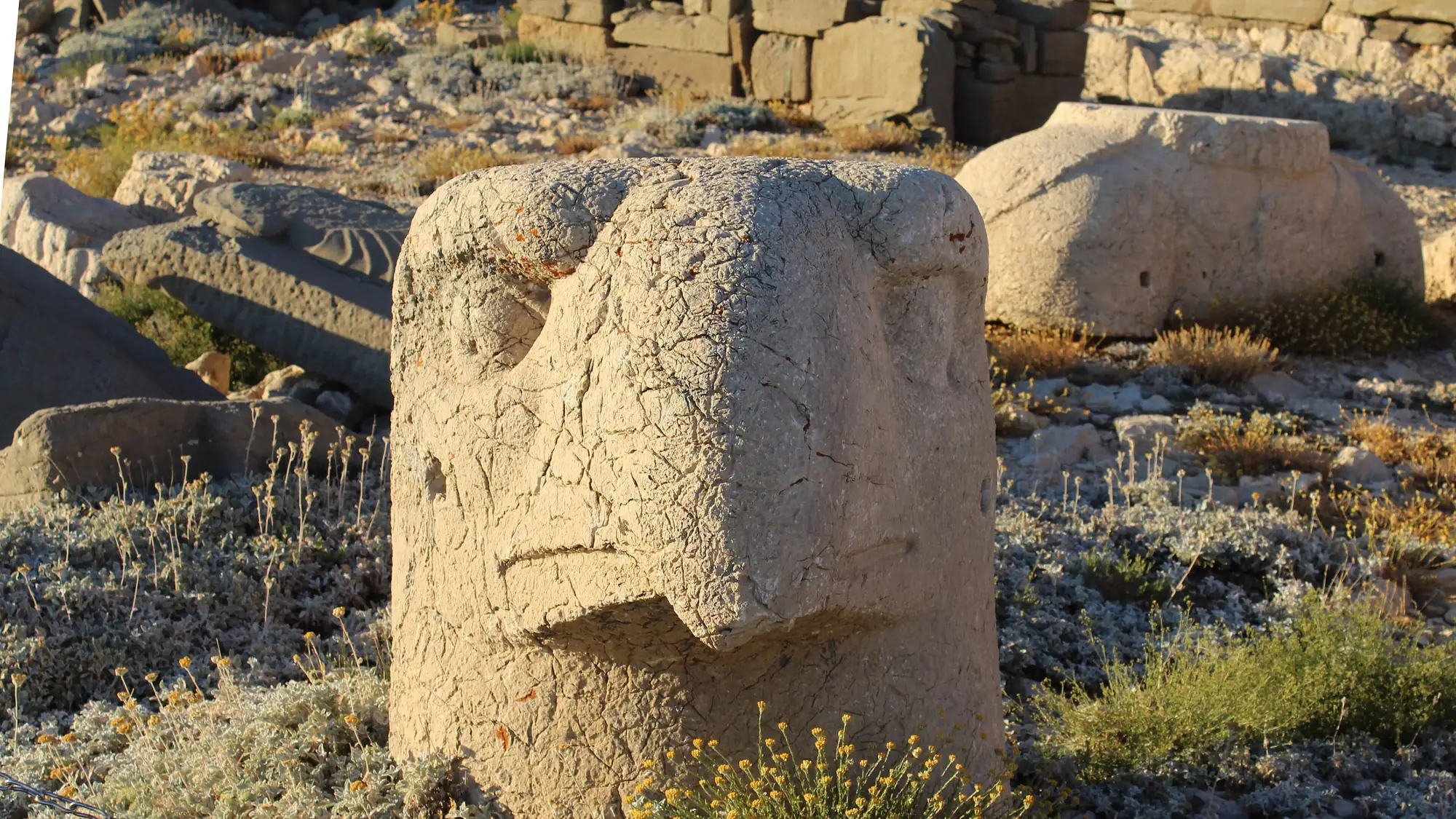
Giant stone heads of gods and kings guard the 1st-century BC tomb of King Antiochus I at more than 2,100 m, a UNESCO World Heritage Site. Go for sunrise or sunset; the road closes in snow, usually from late autumn to spring.
Facts, places, transport, contacts and events for the 7 main cities, and a page for every one of the 81 provinces.
Compare the cities Explore
Select any province on the map of Türkiye to open its page.
20 free tools for money, work, visas and daily life, built on Türkiye's own rules and unlocked with a free Daleel Pass.
All tools Unlock everything
Email and mobile once, every tool open for a year.
Emergency services, helplines, ministries, municipal corporations, hospitals, universities, embassies and utilities, by city.
Open the directory Save the card
Ambulance, police, gendarmerie and fire from any phone, anywhere in Türkiye.
Visas, labour law, renting, healthcare, schools, driving, money, business and culture, explained in plain language.
All guides Start here
The complete checklist, from your first week to your first 90 days.
Concerts, festivals, theatre, opera, culture and trade shows across the main cities, refreshed every day from official venues and calendars.
See all events Events
What's on
Practical articles on living, working, visas, money and travel across Türkiye.
Read the blog New
The latest from the blog.
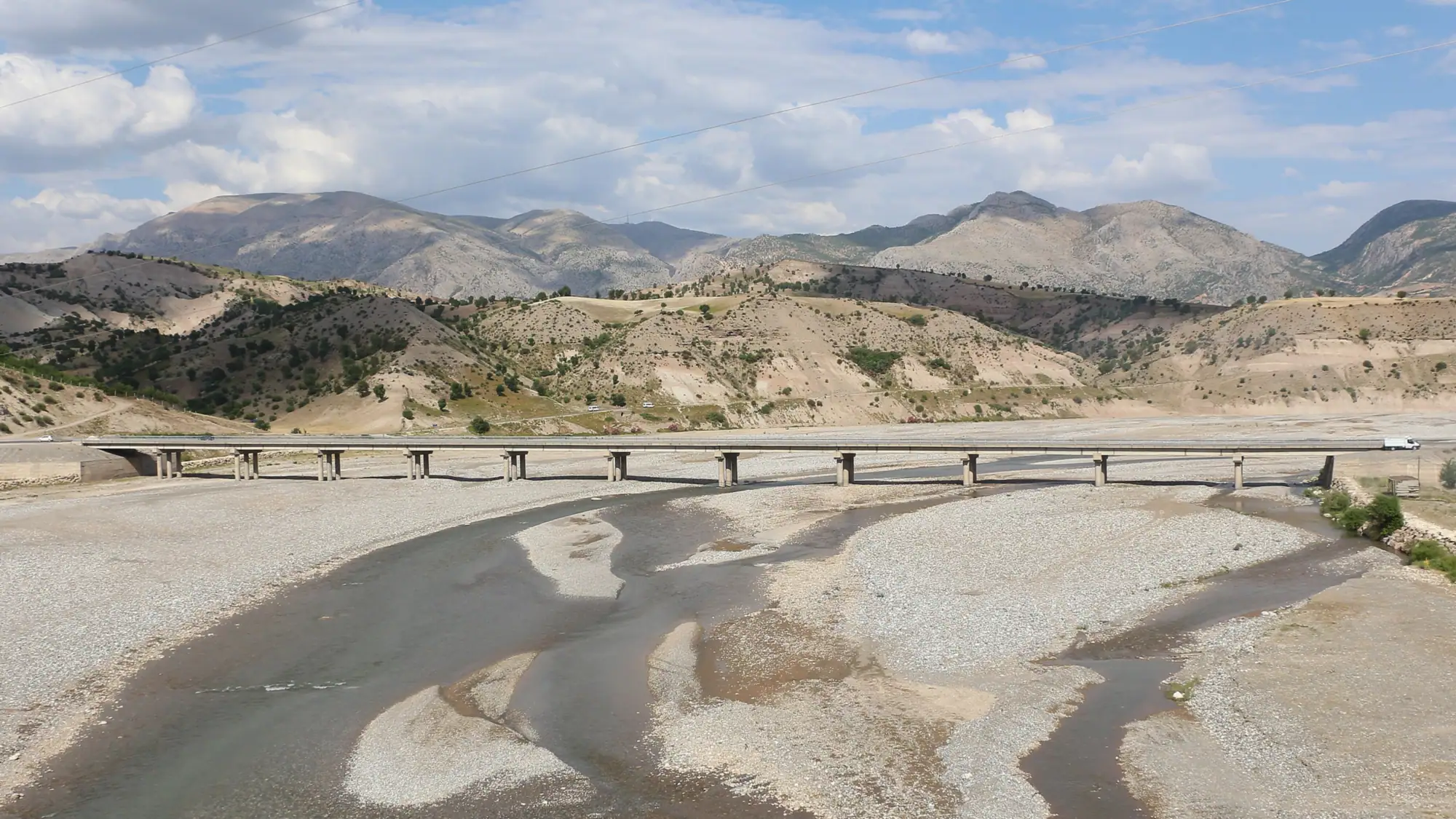
Adıyaman is the gateway to Mount Nemrut, where giant stone heads of the Commagene kingdom face the sunrise, a UNESCO World Heritage Site.
Adıyaman lies between the Taurus mountains and the Euphrates, and its great sight is Mount Nemrut (Nemrut Dağı), the tomb sanctuary of King Antiochus I of Commagene, with colossal stone heads on its terraces, listed by UNESCO in 1987. On the way up you pass the Roman Cendere Bridge, Arsameia and the Karakuş tumulus, and the Atatürk Dam lake spreads across the south of the province. Kahta is the usual base for the sunrise and sunset trips.
Adıyaman was among the provinces hit hardest by the earthquakes of 6 February 2023, and rebuilding of homes and the city centre is still going on, so check that hotels and roads are open before you travel. The summit road is usually open from about May to October; summer days are hot but the mountain top is cool at dawn. Adıyaman Airport has flights from Istanbul and Ankara.
Landmarks, heritage, nature and days out in Adıyaman.
Giant stone heads of gods and kings guard the 1st-century BC tomb of King Antiochus I at more than 2,100 m, a UNESCO World Heritage Site. Go for sunrise or sunset; the road closes in snow, usually from late autumn to spring.