






Weather in Türkiye and the Best Time to Visit
Türkiye's climate region by region and month by month, with the best times to visit Istanbul, Cappadocia, the Aegean and Mediterranean coasts, the Black Sea and the east, plus advice on heat, snow, wildfire season and holiday crowds.
Last reviewed 27 Nov 2026
Türkiye is big and varied, and its weather changes a lot from one region to the next. On the same day in April you can swim off Antalya, walk through Istanbul in a light jacket and see snow on the mountains of the east. The short answer is that spring (April to June) and autumn (September to November) suit most trips, while summer is for the beaches and the high plateaus, and winter is for skiing, city breaks and quiet sightseeing.
The official forecaster is the Turkish State Meteorological Service (MGM, mgm.gov.tr), which publishes forecasts, warnings and long-term averages for every province. The temperatures below are rough guides based on typical conditions, not exact averages, so check MGM before you travel.
Climate regions at a glance
| Region | Main places | Summer | Winter | Best time for most visitors |
|---|---|---|---|---|
| Marmara | Istanbul, Bursa, Edirne | Warm to hot and humid | Cool, wet, occasional snow | April to June, September to November |
| Aegean | Izmir, Bodrum, Kuşadası | Hot and dry | Mild and rainy | May to June, September to October |
| Mediterranean | Antalya, Fethiye, Alanya | Very hot and humid | Mild, with rainy spells | April to June, September to November |
| Central Anatolia | Ankara, Cappadocia, Konya | Hot and dry, cool nights | Cold, often snowy | April to June, September to October |
| Black Sea | Trabzon, Rize, Samsun | Mild and humid | Cool and wet | June to September |
| Eastern Anatolia | Erzurum, Kars, Van | Warm days, cool nights | Very cold and snowy | June to September; winter for skiing |
| Southeast | Gaziantep, Şanlıurfa, Mardin | Extremely hot and dry | Cool, some rain | March to May, October to November |
Region by region
Istanbul and the Marmara region
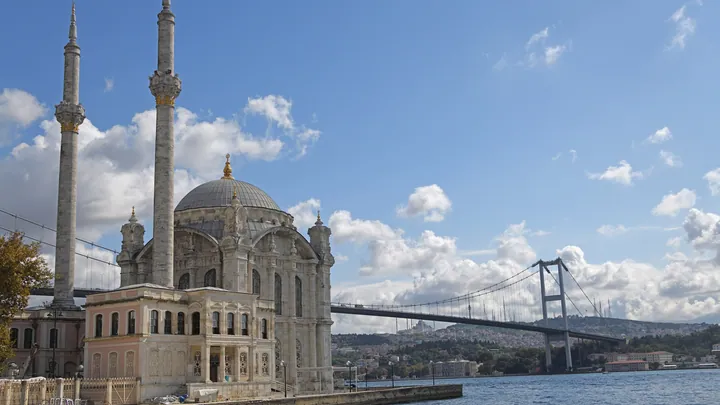
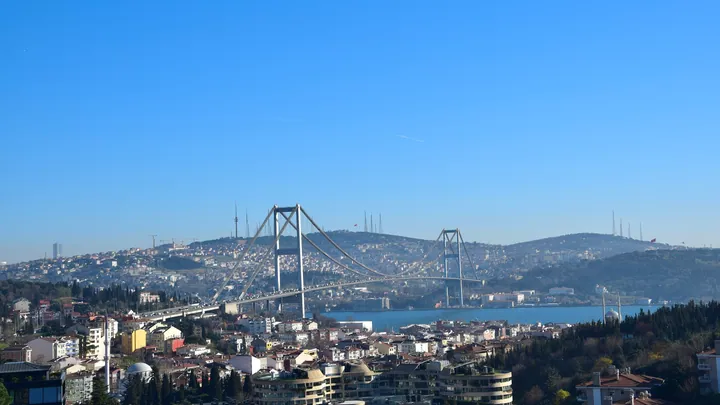
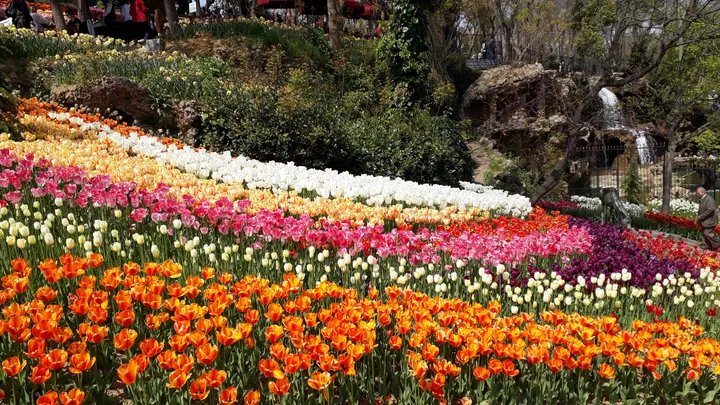
Istanbul has four clear seasons. Summers (July and August) are warm to hot and humid, with daytime highs often around the high 20s to low 30s °C. Winters are cool, grey and wet, with occasional snow that can disrupt traffic. Spring brings the tulips in April and pleasant walking weather, and autumn is often sunny and mild into November.
Best times: April to early June and mid-September to November. Summer is busy and sticky but good for Bosphorus evenings and the Princes' Islands.
Cappadocia and Central Anatolia
The central plateau sits high above sea level, so it has a continental climate: hot, dry summer days with cool nights, and cold winters with frequent snow and temperatures below freezing at night. Cappadocia under snow is beautiful, but some roads and hiking trails are harder in winter.
Hot-air balloon flights run all year when the wind and visibility allow, and they are cancelled in bad weather. Flights are most often cancelled in winter, so allow two or three mornings if a balloon ride matters to you. Best times: April to June and September to October, when days are warm and nights are crisp.
Ankara and Konya follow the same pattern. Read more on our Cappadocia and Ankara pages.
The Aegean coast
Izmir, Çeşme, Kuşadası, Bodrum and the islands have hot, dry summers and mild, rainy winters. The sea is warm enough for most swimmers from about late May or June to October. July and August are the hottest and busiest months, with high prices in resorts. The Meltem wind cools the coast in summer and is popular with sailors and kitesurfers.
Best times: May, June, September and October for swimming, sightseeing at Ephesus and Pergamon, and comfortable temperatures.
The Mediterranean coast
Antalya, Side, Alanya, Kaş and Fethiye have the warmest climate in Türkiye. Summers are very hot and humid, with highs often in the mid 30s °C or above. Winters are mild, which makes Antalya popular for winter sun and long stays. The sea stays warm well into November.
Best times: April to June and September to November. In July and August, plan sightseeing early in the morning or in the evening, and stay out of the midday sun.
The Black Sea coast
The Black Sea is green because it rains a lot. The climate is mild and humid all year, with the wettest weather in autumn and winter. Mountains rise straight from the coast, and in summer locals move up to the cool highland pastures (yayla) above Trabzon and Rize.
Best time: June to September, for the yaylas, the Sümela Monastery area and the tea gardens. Fog and rain are possible at any time, so pack a waterproof layer. See our Trabzon page.
Eastern Anatolia
The east is high, mountainous and continental. Winters are long and severe, with deep snow and some of the lowest temperatures in Türkiye, especially around Erzurum and Kars. Summers are short and pleasant, with warm days and cool nights.
Best time: June to September for Lake Van, Mount Ararat views, Ani and the highlands. December to March is ski season at Palandöken near Erzurum and Sarıkamış near Kars, and the Eastern Express train through the snow is popular in winter.
Southeast Anatolia
Gaziantep, Şanlıurfa, Mardin and the area around Göbekli Tepe have extremely hot, dry summers, when temperatures can climb above 40 °C. Spring is green and pleasant, and autumn is warm and clear.
Best times: March to May and October to November. Read our safety guide for advice on areas near the Syrian border.
Month by month
| Month | What to expect |
|---|---|
| January and February | Cold in the interior and the east, snow likely; mild and wet on the south coast; skiing season; quiet museums |
| March | Changeable, spring starts on the coasts; still cold inland |
| April | Tulips in Istanbul; pleasant on the coasts and in Cappadocia; Easter and spring breaks can be busy |
| May | One of the best months almost everywhere; sea warming up on the south coast |
| June | Warm to hot; beach season starts in earnest; Black Sea and eastern highlands open up |
| July and August | Peak summer: hot to very hot in the west, south and southeast; busiest and most expensive time on the coast; wildfire risk |
| September | Excellent: sea still warm, crowds thinner, harvest season inland |
| October | Mild and clear in most regions; good for Cappadocia and the southeast |
| November | Cooler and wetter; still good on the Mediterranean; low season prices |
| December | Winter sets in inland and in the east; mild on the south coast; festive lights in Istanbul shopping areas |
Things that affect your trip
Heat and wildfires
Summer heatwaves are now common, especially in the south, southeast and inland Aegean. Drink plenty of water, wear a hat and avoid the midday sun. Wildfire season usually runs from about June to September in forested areas along the Aegean and Mediterranean coasts. Follow local warnings, never light fires or barbecues outside designated areas, and leave quickly if officials tell you to. See safety and security.
Snow and winter driving
Mountain passes in the east and the interior can close in snow. Winter tyres are compulsory for commercial vehicles in the winter months and strongly recommended for every car, and governors can restrict traffic on some roads in heavy snow. Check road conditions before long drives; see driving and transport.
Holidays and school breaks
- Turkish school summer holidays run from about late June to early September, when coastal resorts fill with domestic tourists.
- Ramazan Bayramı and Kurban Bayramı move about 11 days earlier each year. During these holidays, roads, buses and flights are very busy, and prices rise. Check our holidays page and plan with the holiday planner.
- Festivals and events across the year are listed on our events page.
What to pack
- Spring and autumn: layers, a light jacket and comfortable walking shoes.
- Summer: light, breathable clothes, sun protection and a scarf or wrap for mosques.
- Winter: a warm coat, waterproof shoes and, in the east and Cappadocia, proper winter gear.
Frequently asked questions
What is the best month to visit Türkiye?
For a first trip that combines Istanbul, Cappadocia and the coast, May and late September to October are hard to beat.
Is Türkiye too hot in summer?
The coasts and the southeast can be very hot in July and August. Many people enjoy them, but plan for early starts, siestas and air-conditioned rooms. The Black Sea and the eastern highlands are cooler.
When is the sea warm enough to swim?
On the Aegean and Mediterranean, most people swim from about late May or June to October, and on the Mediterranean often into November.
Can I visit Cappadocia in winter?
Yes. It is cold and often snowy, and balloon flights are cancelled more often, but the scenery is beautiful and there are fewer visitors.
When do I need to avoid crowds?
July, August and the bayram holidays are the busiest times. Weekdays outside school holidays are quieter.
More questions
Can I drive in Türkiye on my foreign licence?
Visitors can drive on a valid foreign licence for up to six months from their date of entry; an International Driving Permit helps if your licence is not in the Latin alphabet. If you live here longer, convert it to a Turkish licence at a civil registration office (nüfus müdürlüğü) by appointment through randevu.nvi.gov.tr. Türkiye drives on the right, motorways and the Bosphorus bridges are paid electronically with an HGS tag (rental cars usually have one), and seat belts are compulsory for everyone. The single emergency number is 112.
Daleel TR is a guide, not legal, financial or immigration advice. Rules change; confirm with the authority named before you act. Spotted an error? Tell us.