


Istanbulkart Guide 2026: Fares, Where to Buy, Transfers and Airport Links
How Istanbulkart works in 2026: the ₺46.20 full fare from 20 July, transfer discounts, monthly passes, ferries and getting to both airports by metro.
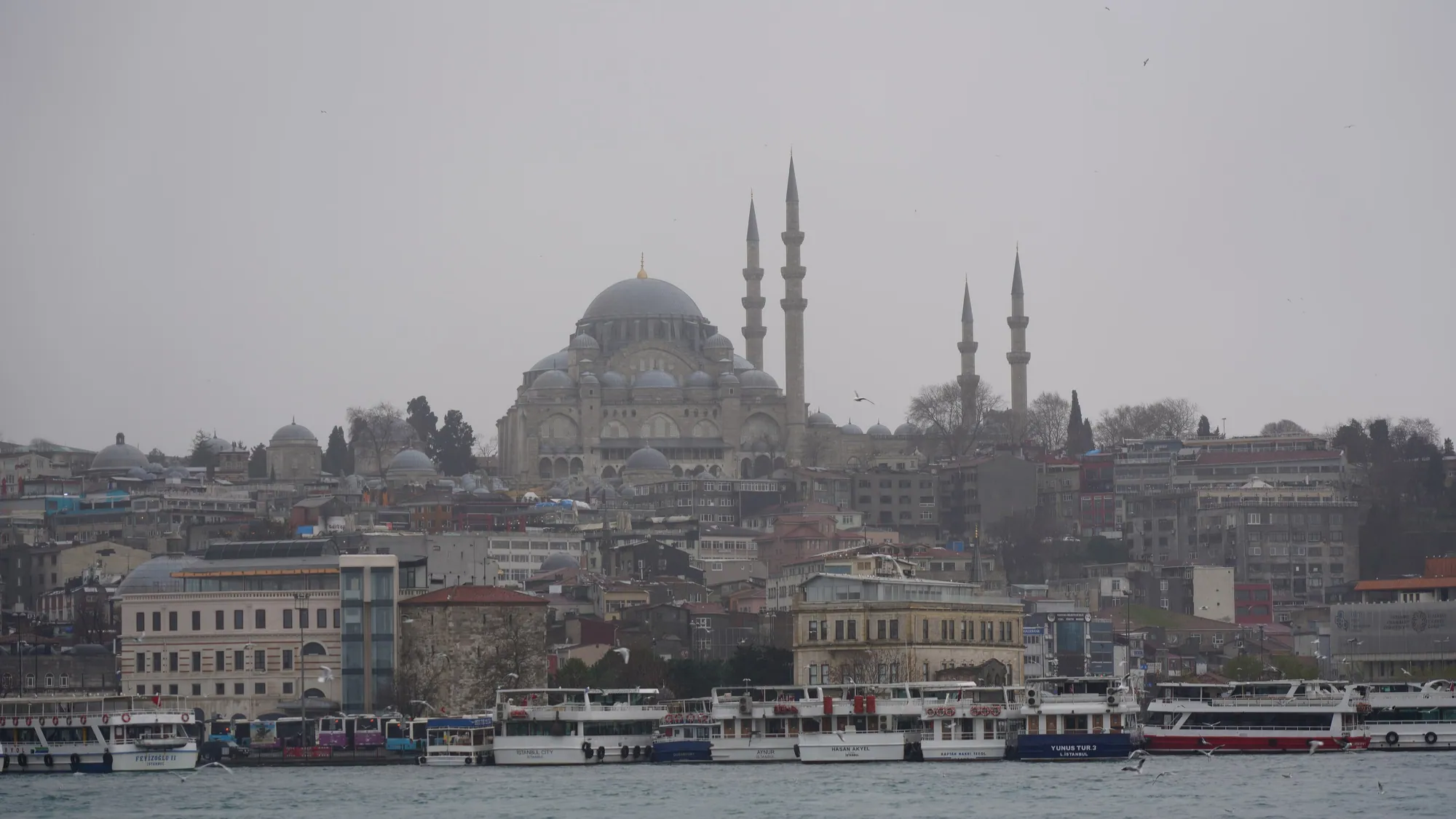
Istanbul is a huge city, but its public transport is cheap, fast and, once you have an Istanbulkart, very simple. One contactless card pays for the metro, trams, buses, the metrobüs, the Marmaray rail tunnel under the Bosphorus, funiculars, cable cars and most ferries. Each tap takes a fare, and if you change vehicles within the transfer window the next fares are discounted.
This guide covers the 2026 fares, where to buy and top up a card, how transfers work and how to reach both airports. Our Istanbul transport fares tool works out the cost of a journey for you.
2026 fares at a glance
The Istanbul Metropolitan Municipality (İBB) sets fares through its transport coordination board (UKOME) and council. Fares rose twice in 2026: to ₺42 from 16 February and, after the İBB Council approved a 10% rise on 17 July, to the current level from 20 July 2026.
| Fare type (Istanbulkart, from 20 July 2026) | Price |
|---|---|
| Full fare, one tap | ₺46.20 |
| Student card | ₺22.55 |
| Social card (teachers and some other groups) | ₺33.08 |
| Mavi Kart monthly pass, full | ₺3,628 |
| Student monthly pass | ₺653 |
These come from İBB's published tariff as reported by the Turkish press in July 2026. Prices in Türkiye change often because of inflation, so check the current tariff on the Metro Istanbul or İBB sites before you rely on them.
Discounted cards (students, teachers, people over 60) are personal cards issued against Turkish documents. Visitors pay the full fare. People aged 65 and over who hold Turkish citizenship travel free on municipal services.
Where to buy an Istanbulkart
- Biletmatik machines at metro, tram, Marmaray and ferry stations, and at the airports. Most have an English menu. You pay a one-off card fee and then load credit.
- Kiosks and small shops (büfe) near stops that show the Istanbulkart sign.
- The Istanbulkart mobile app, which lets you register a card, top it up and check your balance.
An anonymous card works straight away. A personalised card registered to you can be blocked and the balance moved if you lose it, which is worth doing if you are staying for months.
Topping up
Load credit at the same machines, at kiosks or in the app (for registered cards). Keep the balance above one full fare plus a little extra before a long journey, because some lines charge by distance.
How transfer discounts work
When you change to another vehicle within the transfer window (two hours under İBB's tariff rules), the second and later taps cost less than a full fare, and the discount grows with each transfer up to five. İBB publishes the transfer amounts with each tariff. In the February 2026 tariff the first transfer cost ₺31.27, the second ₺24.02 and later ones ₺15.62; the July rise lifted these too, so treat them as a guide only.
A few things to know:
- Tapping out is not needed on most lines. You tap once when you enter.
- On the metrobüs and Marmaray, the fare depends on distance. The longest-journey fare is taken when you enter, and refund machines at station exits give back the difference for a shorter trip (on the metrobüs, within the time limit set in the tariff).
- İBB's tariff notes say the transfer discount applies when you change from the metrobüs to another vehicle, but not from another vehicle onto the metrobüs.
- You can tap the same card for a friend travelling with you, but each extra tap is a full fare. If you travel together every day, get a card each.
The main lines for visitors
Metro and tram
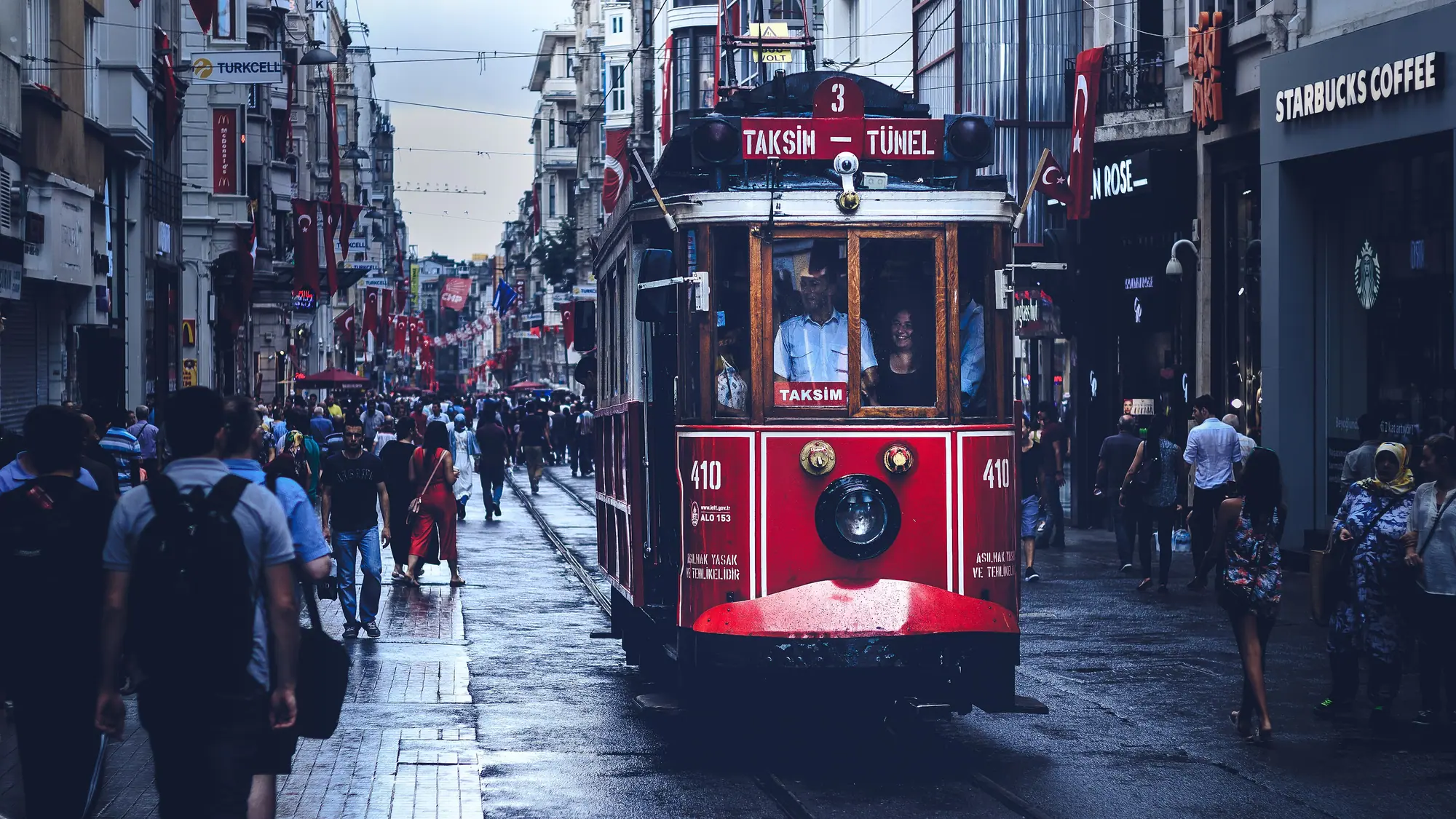
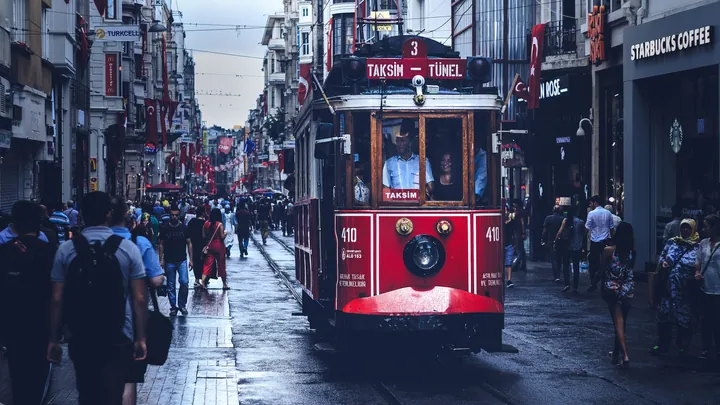
- T1 tram runs from Kabataş through Karaköy, Eminönü and Sultanahmet to Bağcılar. It is the easiest way between the Galata side and the old city.
- M2 metro runs north from Yenikapı over the Golden Horn bridge to Şişhane (for Galata and İstiklal Street), Taksim and the business districts.
- F1 funicular links Kabataş with Taksim in a couple of minutes.
- Marmaray runs under the Bosphorus between Halkalı on the European side and Gebze on the Asian side, with stops at Sirkeci, Yenikapı and Üsküdar.
Ferries
City ferries (Şehir Hatları) and private operators cross between Eminönü, Karaköy, Beşiktaş, Kadıköy and Üsküdar every few minutes at busy times. They accept Istanbulkart, and a short crossing is one of the best-value views in the city. Longer routes, such as those to the Princes' Islands, cost more than a single crossing.
Metrobüs
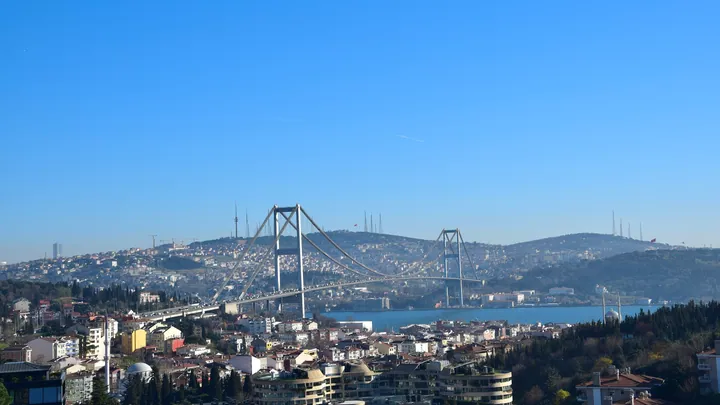
The metrobüs runs in its own lanes for over 50 km between Beylikdüzü in the west and Söğütlüçeşme in Kadıköy, crossing the 15 July Martyrs' Bridge. It is fast but very crowded at peak hours.
Getting to and from the airports
Istanbul Airport (IST)
- M11 metro links the airport with Gayrettepe, where you change to the M2 for Taksim and the old city. A western extension towards Halkalı, where you can change to Marmaray, opened in June 2026 according to the airport operator. M11 fares are distance-based and higher than the standard fare. Check the current amount at the station.
- Havaist buses run to Taksim, Sultanahmet, Kadıköy and other hubs. Fares are set by the operator and change during the year, so check hava.ist before you travel.
- Taxis use the meter. İBB's 2026 taxi tariff, as reported in the press, starts at ₺71.94 plus ₺47.92 per kilometre for a standard yellow taxi; the airport is a long way from the centre, so expect a large fare and bridge or motorway tolls on top.
Sabiha Gökçen Airport (SAW)
The M4 metro runs from the airport to Kadıköy, where ferries cross to Karaköy and Eminönü. It charges the usual Istanbulkart fare. Havabüs and İETT buses also serve the airport.
Tips for using Istanbul transport
- Avoid 07:30 to 09:30 and 17:00 to 19:30 on the metrobüs, the M2 and bridge roads if you can.
- Most rail lines start around 06:00 and stop around midnight. Check the last departure on the operator's timetable before a late night out.
- Keep your bag in front of you in crowded carriages.
- Ferries are often quicker than the road between the two continents.
- Public transport is sometimes free on national holidays and during religious festivals by municipal decision. It is announced shortly before; our public holidays 2027 post lists the dates.
For more on getting around the whole country, read our driving and transport guide and the Istanbul city page. If you are moving to the city, our cost of living in Istanbul 2026 post puts transport in the context of a monthly budget.
Frequently asked questions
How much is a metro ride in Istanbul in 2026?
A full fare with an Istanbulkart is ₺46.20 from 20 July 2026, the same for the metro, tram, buses and city ferries. Transfers within the transfer window cost less. The metrobüs, Marmaray and M11 airport metro charge by distance.
Can tourists use the Istanbulkart?
Yes. Anyone can buy an anonymous card at a station machine or kiosk and load credit. Discounted student, teacher and senior cards are only for people with the right Turkish documents.
Is there a travel pass for tourists?
The Mavi Kart monthly pass costs ₺3,628 from 20 July 2026, but it is a personal card that takes time to set up and only makes sense for long stays with many journeys a day. For a short visit, a normal Istanbulkart is usually cheaper.
How do I get from Istanbul Airport to Sultanahmet?
Take the M11 metro to Gayrettepe, change to the M2 for Yenikapı or Vezneciler, then walk or take the T1 tram to Sultanahmet. Havaist buses also run directly to the Sultanahmet area.
Does Istanbulkart work on ferries?
Yes. City ferries and most private ferry companies accept Istanbulkart. Bosphorus sightseeing cruises are sold separately.
Written by Daleel TR editorial team. Daleel TR is a guide, not legal, financial or immigration advice. Rules change; confirm with the authority named before you act.