







Antalya Travel Guide: Best Time to Visit, Beaches and the Old Town
When to visit Antalya, Konyaaltı versus Lara, a walk through Kaleiçi, the ancient cities nearby with 2027 entry fees, and getting in from the airport by tram.
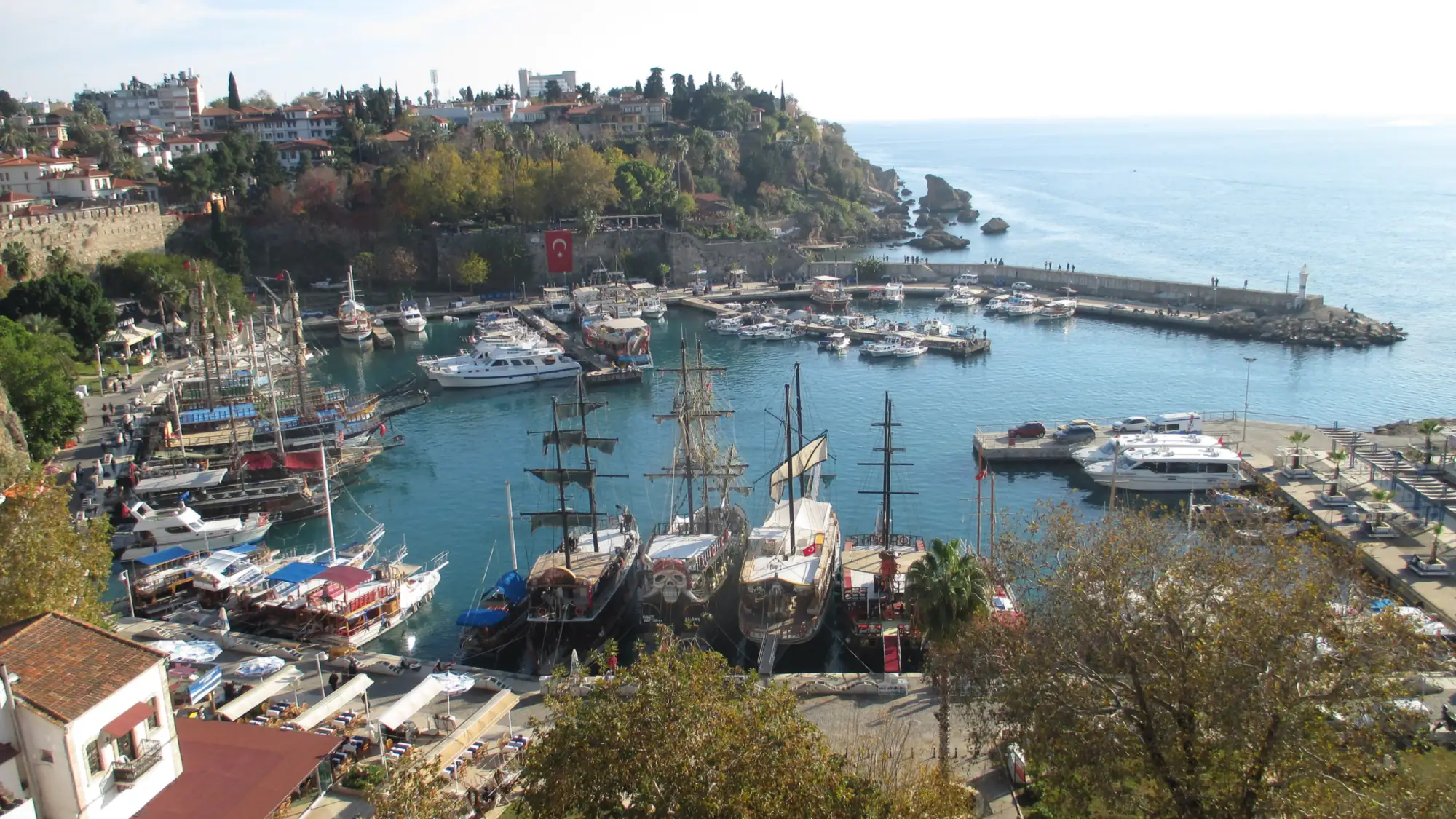
Antalya is the capital of the Turkish Riviera and one of the most visited cities in the Mediterranean. It mixes a lively modern city, a walled old town above a Roman harbour, long beaches on both sides of the centre and, within an hour's drive, some of the best-preserved ancient cities in the world, all against the wall of the Taurus Mountains.
This guide covers when to go, which beach to choose, what to see in the old town and beyond, what sites cost and how to get around. For more on the region, see our Antalya page.
When to visit Antalya
Antalya has a classic Mediterranean climate: long, hot, dry summers and mild, wetter winters. For temperatures and sea conditions by month, see our weather and when to visit guide.
| Season | What it is like |
|---|---|
| April to June | Warm, sunny days and fewer crowds. The sea is cool in April but swimmable by late May for most people. Great for ancient sites and walking. |
| July and August | Very hot, with daytime highs often in the mid-30s °C and humid nights. Peak season for families and package holidays. Visit sites early in the morning. |
| September to October | Warm sea, softer heat and clear skies. Many people's favourite time for a beach and sightseeing mix. |
| November to March | Mild and quiet, with rain spells and snow on the mountains. Good for culture, hiking and lower prices, though some beach hotels close. |
Domestic travel peaks during the bayram holidays, when hotels and flights fill up fast. Check the dates in our public holidays 2027 post before booking.
Beaches: Konyaaltı or Lara?
Antalya province had 232 Blue Flag beaches in 2026, the most of any province in Türkiye and, according to the Turkish press, the most of any region in the world. Within the city you have two main choices.
Konyaaltı
A long pebble beach west of the centre, backed by a seaside park, cafés, cycle paths and views of the mountains. The water is clear and deepens quickly. It is easy to reach by tram or bus from the centre and popular with locals in the evenings.
Lara
A sandy beach east of the city, closer to the airport, lined with large resort hotels. Public sections (Lara 1 and Lara 2 among them) have Blue Flags. Lara is better for small children because the water is shallower near the shore.
Small beaches and coves
Below the old town, Mermerli is a small beach reached through a café-restaurant that charges for entry. Further along the coast, Kemer, Olympos and Çıralı to the west, and Side and Alanya to the east, offer everything from family resorts to quiet pine-backed bays.
Kaleiçi: the old town
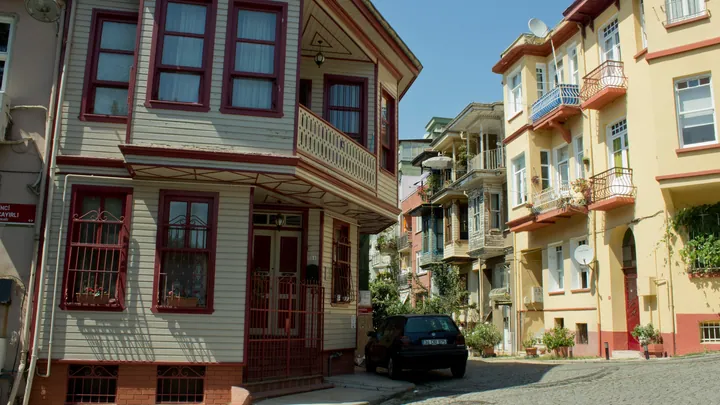
Kaleiçi ("inside the castle") is Antalya's historic heart, a maze of narrow lanes, restored Ottoman houses, boutique hotels and courtyards climbing down to the old harbour. Allow half a day and wear comfortable shoes for the slopes and cobbles.
Highlights:
- Hadrian's Gate (Üç Kapılar), the triple-arched gate built in the 2nd century AD to honour the Roman emperor Hadrian's visit, on the edge of the old town.
- The Yivli Minare, the fluted minaret that has become a symbol of the city, dating from the Seljuk period.
- The Clock Tower (Saat Kulesi) and Kalekapısı square, where the modern city meets the old one.
- Hıdırlık Tower, a Roman tower at the southern edge of Kaleiçi, with sunset views over the bay.
- The old harbour, with boat trips along the coast and to the Düden waterfall.
- The Ethnography and Mevlevihane museums, which the Ministry of Culture and Tourism lists as free to enter.
The Antalya Museum is closed
The city's main archaeological museum closed to visitors on 16 July 2025 because the building was not earthquake-resistant, and it was demolished in September 2025 to be rebuilt on a larger scale. The Culture and Tourism Minister has pointed to 2027 for the opening, but no confirmed date has been announced. Check muze.gov.tr before planning a visit.
Beyond the city
Düden waterfalls
The Upper Düden waterfall sits in a green park on the north side of the city. The Lower Düden waterfall plunges straight off the cliffs into the sea near Lara, and is best seen from the clifftop park or from a boat trip from the old harbour.
Ancient cities
Antalya is surrounded by remarkable ancient sites. The Ministry of Culture and Tourism sets entry fees in euros for foreign visitors. In the ministry's fee list for 1 April 2027:
| Site | Distance from Antalya (approx.) | Foreign visitor fee from 1 April 2027 |
|---|---|---|
| Aspendos (Roman theatre) | about 45 km east | €16 |
| Perge | about 18 km east | €12 |
| Side ancient city | about 75 km east | €8 |
| Phaselis | about 60 km south-west | €11 |
| Termessos (in the mountains) | about 35 km north-west | €5 |
| Alanya Castle | about 135 km east | €13 |
Aspendos has one of the best-preserved Roman theatres anywhere and still hosts performances, including the Aspendos International Opera and Ballet Festival. Perge has long colonnaded streets, a stadium and city gates. Termessos sits high in a national park and needs good shoes and water. Fees change, so check before you go; our museum ticket calculator helps plan a multi-site trip.
Holders of a Turkish identity card (T.C. Kimlik Kartı) are covered by separate rules in the same list and can enter most of these sites with the annual MüzeKart.
Getting around
From the airport
Antalya Airport is east of the city. The AntRay tram (T1) connects the airport with the city centre, with a branch to the Expo area. Travel guides reported a full fare of ₺42 with an Antalyakart in 2026 and said cash is not accepted on the tram, so check the current fare with Antalya Ulaşım. Taxis, airport shuttles and hotel transfers are the other options.
In the city
Trams and buses cover the main areas, and the city is easy to explore on foot around Kaleiçi. A cable car climbs Tünektepe on the west side for views over Konyaaltı and the bay. To visit the ancient sites or remote beaches, a tour, a hire car or a taxi for the day is simplest. Before driving, check the driving licence checker and our driving and transport guide, and work out fuel with the fuel cost calculator.
Practical tips
- Heat: in July and August, plan sightseeing before 11:00 and after 16:00, carry water and use strong sun protection.
- Money: cards are widely accepted, but carry some lira for small shops and tips. Use our currency converter and the tipping calculator.
- Shopping: if you buy goods in shops that offer tax-free shopping, keep the forms to claim back the KDV at the airport. Our tax-free refund calculator shows what you could get back.
- Forest fires: the hills around Antalya are dry in summer. Never light fires outdoors and call 112 if you see smoke.
- Sea safety: swim at beaches with lifeguards and follow the flags.
Frequently asked questions
What is the best time to visit Antalya?
April to June and September to October give warm weather without the peak heat and crowds. July and August are best for guaranteed beach weather if you can handle temperatures in the mid-30s °C.
Which is better, Konyaaltı or Lara beach?
Konyaaltı is a long pebble beach close to the centre with clear, quickly deepening water and mountain views. Lara is sandy and shallower, better for small children, and lined with large resorts east of the city.
Is the Antalya Museum open?
No. It closed on 16 July 2025 and the old building was demolished for a new museum. The minister has pointed to 2027 for the opening, but no date has been confirmed.
How much does it cost to visit Aspendos?
The ministry's fee list for 1 April 2027 sets the foreign visitor price at €16. Check muze.gov.tr for the price on the day you visit.
How do I get from Antalya Airport to the city centre?
Take the AntRay tram from the airport into the city, use an airport shuttle, or take a taxi. The tram needs an Antalyakart or contactless card rather than cash.
Written by Daleel TR editorial team. Daleel TR is a guide, not legal, financial or immigration advice. Rules change; confirm with the authority named before you act.